
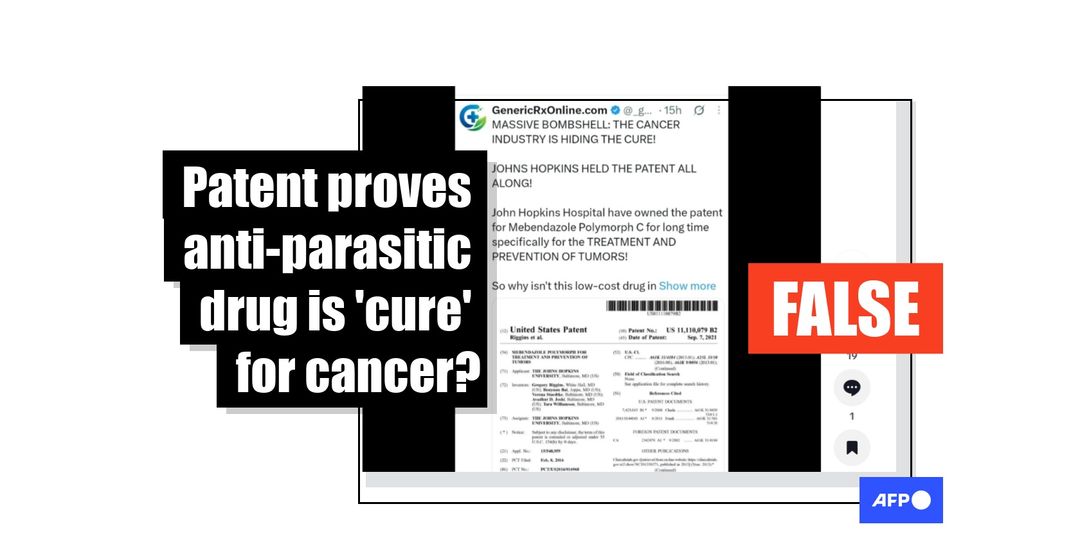
The anti-parasitic drug mebendazole has shown preclinical efficacy in targeting multiple cancers, but experts say social media posts calling it a “cure” go too far. Additional clinical trials in humans are necessary to prove when, at what dosage, and in which treatment combinations it could make an impact.
Health

Mounting concern over the rapid expansion of data centers in the United States has pushed accounts online to allege low-frequency electromagnetic fields emitted by the facilities have caused severe health issues across species, including in honeybees and cows. But scientists caution such claims are backed by minimal to no evidence, in contrast to larger, genuine environmental concerns posed by the booming construction projects.

Donald Trump made unsupported statements about childhood vaccination in the United States compared with Europe as he signed an executive order, and the White House followed the US president’s address by republishing a misleading graphic on the number of injections recommended for children. But prior to the Trump administration’s changes, the US Centers for Disease Control and Prevention (CDC) had endorsed pediatric immunizations against 17 diseases, similar to guidance in many European countries.

Thousands of excess deaths have been recorded due to intense summer heat, leading several social media posts — including some generated with artificial intelligence — to claim the heatwaves were manufactured by a space phenomenon known as solar flares. However, scientists said solar flares do not impact Earth’s surface temperatures and that heatwaves are instead worsened by carbon emissions.

Meta has removed 39 Facebook pages that were pushing false claims about famous National Hockey League players following an AFP investigation. The pages were managed from Vietnam and capitalizing on interest in the Stanley Cup playoffs to farm engagement and drive traffic to articles on websites overrun with advertisements.

Most milk sold in grocery stores is supplemented with vitamin D using an ingredient that is also found in some rat poisons, but the addition does not make the beverage dangerous for humans, as claimed in posts across social media. The poisons deployed to exterminate rodents use a high level of vitamin D that experts said is not comparable to the lower amount found in fortified milk.

The anti-parasitic drug ivermectin has been at the center of a sustained misinformation campaign by doctors who disagree with the scientific consensus that it is ineffective at treating Covid-19. With concern rising over the deadly outbreak of hantavirus on a Dutch-flagged cruise ship, ivermectin is once again being touted, without evidence, as a cure, often coupled with efforts to profit off sales of the medicine.

At an event to promote new dietary guidelines, US Health and Human Services Secretary Robert F. Kennedy, Jr. said the ketogenic diet, or keto diet, has been established as a “cure” for schizophrenia. But experts told AFP his comments overstated promising initial results from studies that examined the role of the high-fat, low-carbohydrate diet as an intervention for psychiatric patients who do not see relief from pharmaceutical treatments.
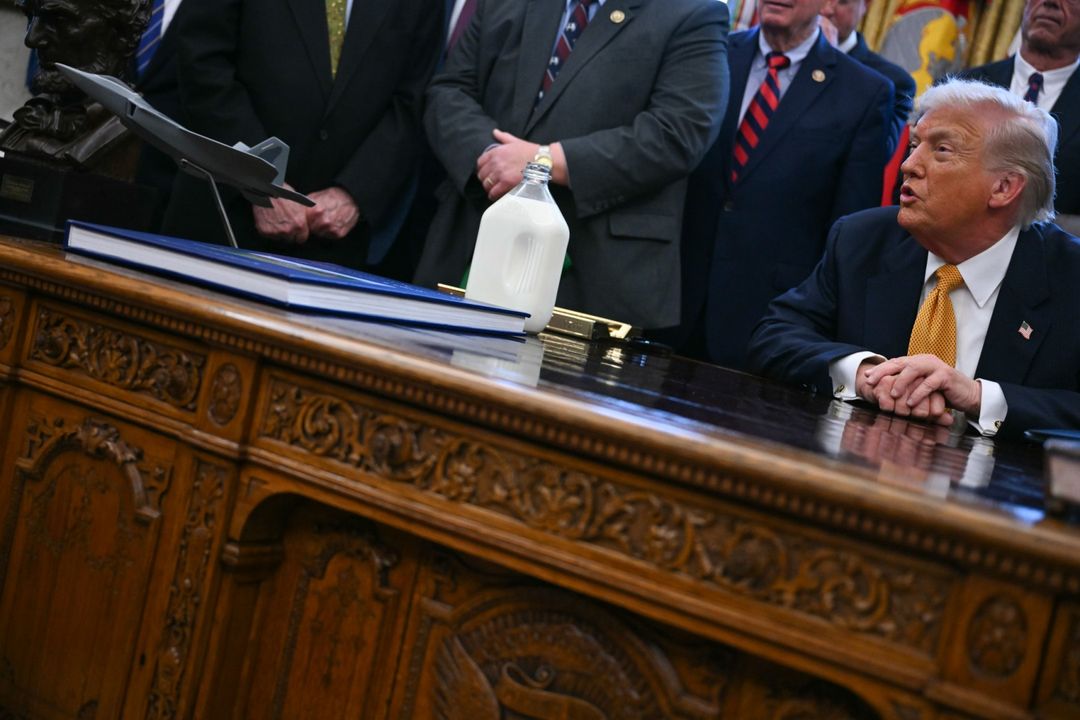
Calls to consume raw milk regained traction on social media in January 2026 following the release of the US government’s new dietary guidelines highlighting dairy and meat products. President Donald Trump’s administration recently campaigned to center whole milk — which is pasteurized — in American diets. But a loud fringe of social media users called to go even further by legalizing unpasteurized milk nationwide, despite serious health risks backed by over a century of research on the topic.

Author(s): BORIS BACHORZ / AFP Originally published here.