
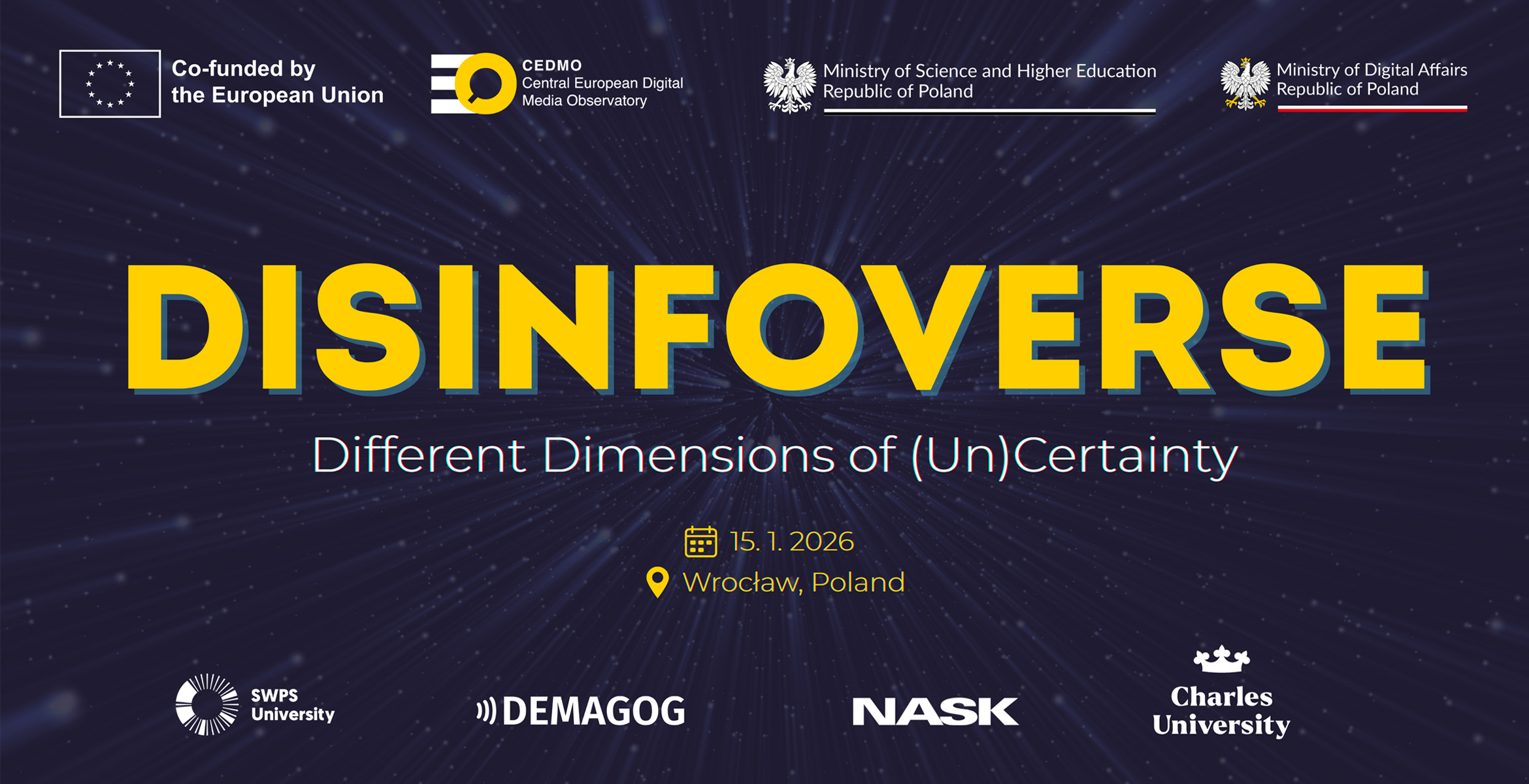
15 January 2026, Wrocław, Poland, SWPS University, Aleksandra Ostrowskiego 30B, 53-238 Wrocław
The programme will start at 9:00.
As participants in popular culture, we visit various fantastic universes—Marvel, Star Wars, or Harry Potter. These are fictional, complex, coherent, and refined worlds that are governed by their own laws.
But what is the universe in which we really live, not just in pop-cultural fantasies? How can we describe the universe of the modern world? What makes it unique and what laws govern it?
There is no doubt that the universes of contemporary societies are primarily worlds of intense information flow, providing access to huge collections of valuable data, but also generating chaos and numerous information disorders. Worlds of constant uncertainty: about truth, authority, ethics.
This is our diagnosis of the present day. The Disinfoverse is a universe of permanent information disorders, as well as a general crisis of certainty and security in the world.
In this universe of uncertainty, however, we would like to refer to what can guarantee (at least to some extent) freedom and responsibility, belief in science, professionalism, and a sense of security.
On January 15, 2026, in Wrocław, at the SWPS University at Aleksandra Ostrowskiego street 30B, the annual conference of CEDMO called “Disinfoverse. Different Dimensions of (Un)ertainty” organized by the Central European Digital Media Observatory (CEDMO) will take place.
In the context of the disturbing diagnosis of the present day, we will ask questions about freedom and responsibility for the world, and about how to ensure information security in an era of information chaos. We will consider what science can tell us about the present day, and how both newer and older media professions fit into this context. Is there still a place for them?
Keynote Speakers
- Boris Bachorz (AFP) and Gyula Csák (Bellingcat)
Data and field reporting: a power couple to investigate the Russian invasion in Ukraine
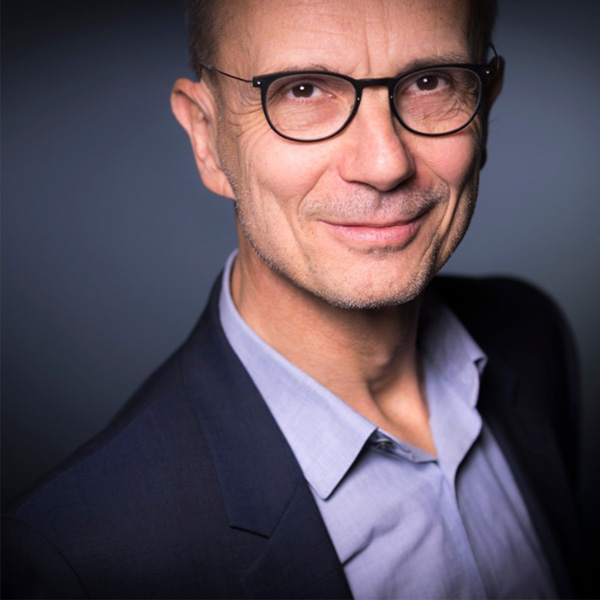
Boris Bachorz
Covering international affairs from Paris for AFP news agency.
40 years of experience on several continents, including :
– Covering from Brussels the negotiations leading to the creation of the European Union (1989-1992). Then moving to Paris to cover the narrow adoption of the Maastricht treaty by referendum in France in 1992.
– Covering from Moscow the bumpy first years following the fall of the Soviet Union (1993-1998), from the controversial privatisation of the Russian economy to the financial collapse of 1998.
– Covering the war in Chechnya (1993-1995). In 1995, the AFP Moscow newsroom, which I headed, was awarded the Albert Londres prize, the most important journalistic prize in France, for
this coverage.
– Accreditated Downing Street correspondent in London, covering Tony Blair re-election in 2001 and the controversy over Saddam Hussein’s alleged weapons of mass destruction (2000-2003).
– As Nairobi-based AFP bureau chief, covering the volatile political and security situation in East Africa and the Horn of Africa, including Somalia where I went several times (2009-2013).
– At managerial level, I created the position of Africa régional director (2014-2021), and I served as AFP Brand and communication director (2021-Sep 2024).
– Panelist (Paris Peace Forum, Summit of Minds).
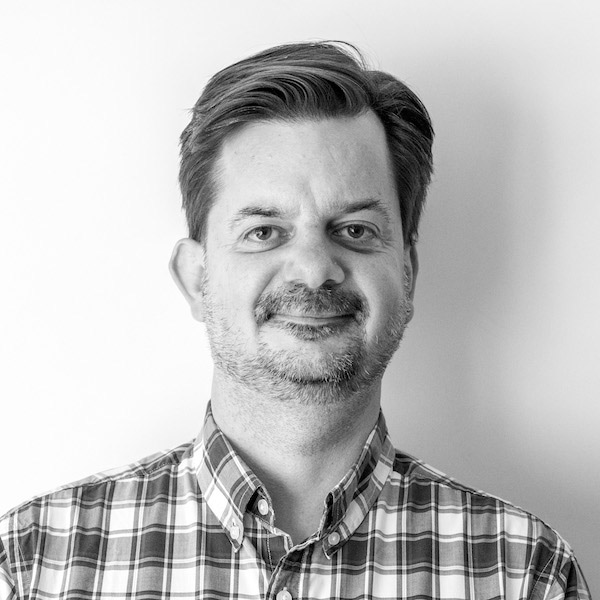
Gyula Csák
Gyula Csák is an editor at Bellingcat with a background in investigative reporting, news journalism, and network building. He previously worked at the BBC, BIRN, Euronews, and RFE/RL.
- Paolo Cesarini (European Digital Media Observatory (EDMO),Chair of the Executive Board)
The European Democracy Shield: how can the EDMO Network support its implementation?
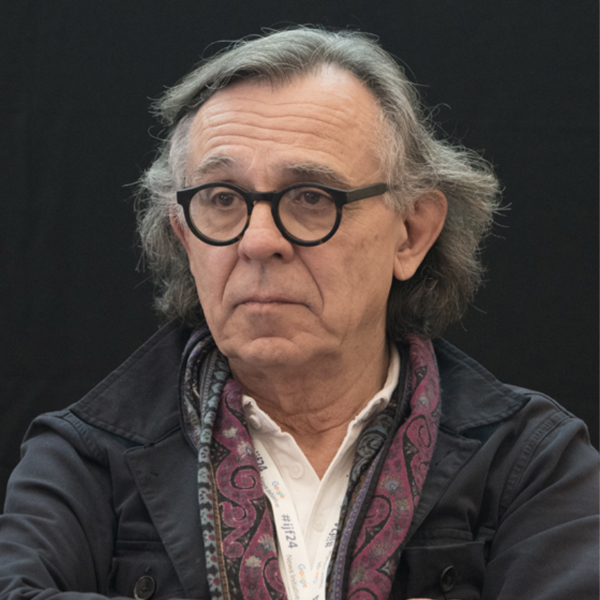
Paolo Cesarini
Paolo Cesarini is Chair of the Executive Board of the European Digital Media Observatory (EDMO) and Program Director at the European University Institute (EUI) in Florence, where he leads various projects at the intersection of technology, information, and democracy. He contributed to the creation of the European Media and Information Fund, a philanthropic initiative that supports fact-checking, research, and media literacy projects, and has collaborated with various European universities, including Siena, Montpellier, the VUB in Brussels, and Luiss in Rome. Expert in media policy and EU competition law, he worked for many years at the European Commission, where he held management roles in the Directorate-General for Competition (DG COMP), covering both the antitrust and State aid policy areas, and in the Directorate-General for Communications Networks, Content and Technology (DG CONNECT), where he led important policy initiatives on technological transition, disinformation, regulation of digital platforms, and innovation in the media sector. Before joining the European Commission, he worked as a member of the Legal Service at the International Labour Organisation in Geneva. He holds a master’s in international law from the University of Siena and an LLM from the College of Europe, Bruges.
- Jochen Spangenberg (Deutsche Welle, CEDMO Advisory Board)
AI, Disinformation, Verification and the Role of Technology: Challenges and Implications for News Media
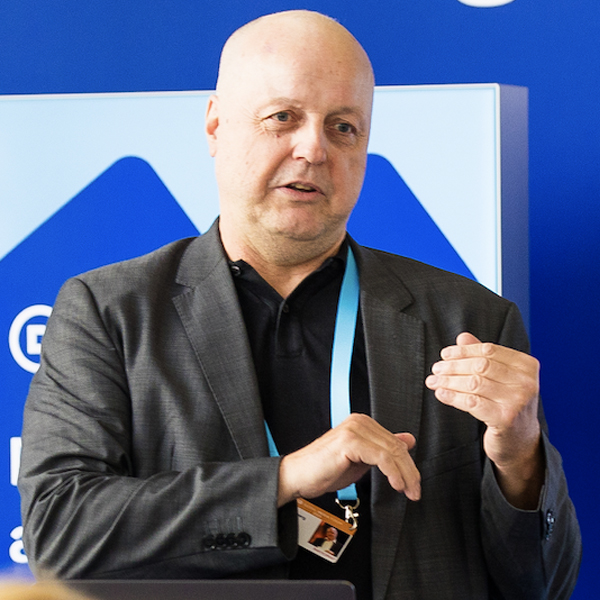
Jochen Spangenberg
Jochen Spangenberg is a media and communication expert working as Deputy Head of Research and Cooperation Projects at Deutsche Welle. The topical focus of his work over the past decade has been on research dealing with social newsgathering, disinformation analysis and verification of digital content, and relating all this to the news sector and journalism.
Jochen also lectures at the Free University Berlin in Media & Communication Studies, is an active supporter of Lie Detectors, an NGO that brings media literacy into classrooms, and serves as vice-chair of the Advisory Council of the European Digital Media Observatory (EDMO), Europe’s primary initiative against disinformation. He is furthermore Advisory Board chair of CEDMO (Central European Digital Media Observatory) and Advisory Board member of GADMO (German-Austrian Digital Media Observatory).
Panels
- How do we understand the concept of freedom of speech? Where should the line be drawn between combating false information and protecting free speech? Currently, what are the differences between the European and American approach?
- What legal frameworks exist to regulate disinformation while safeguarding free speech? What strategies have been effective in countering disinformation without infringing on free speech?
- What are the ethical risks of restricting speech, even when it spreads false information?
- Can fact-checking initiatives be truly neutral, and how should they be structured? How can journalists and media outlets regain public trust in an era of skepticism?
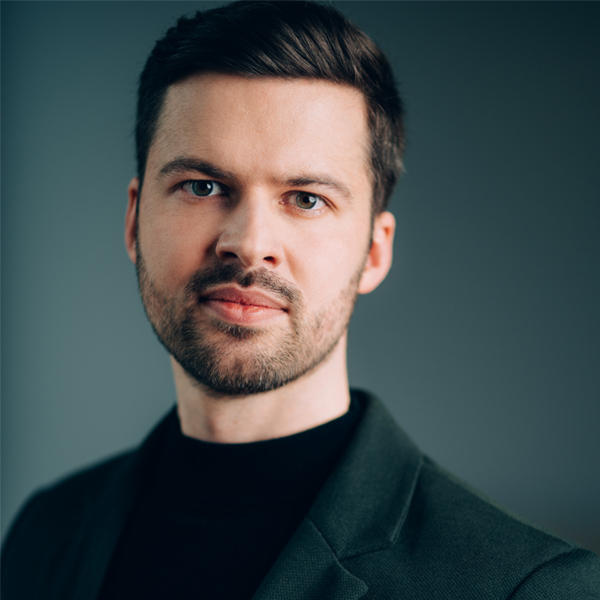
Patryk Zakrzewski, Moderator
Patryk Zakrzewski is the vice president of the Demagog Association in Poland, responsible for international affairs as well as education. He represents Demagog at global and European fora, including International Fact-Checking Network, European Fact-Checking Standards Network and Central European Digital Media Observatory. Since 2018, he has coordinated the Fact-Checking Academy, where he designs and implements educational projects that foster critical thinking and counter disinformation.
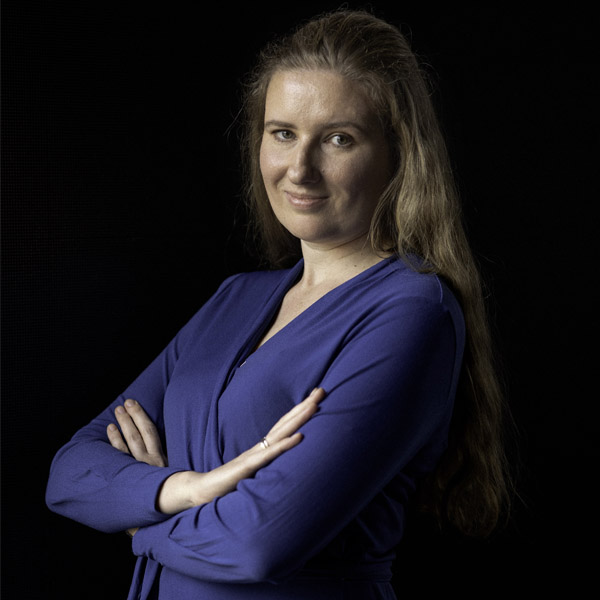
Marzena Błaszczyk
Member of the Management Board and Program Director at the Citizens Network Watchdog Poland. She has been working for many years to strengthen the right to information, improve public transparency, and safeguard the rule of law.
She actively participates in the work of CASE (the Coalition Against SLAPPs in Europe) and the Polish anti-SLAPP working group, focusing on protecting public watchdogs, journalists, and activists from abusive lawsuits. She also serves as a member of the Monitoring Committee of the European Digital Development Funds, where she advocates for transparency, civic participation, and responsible digital governance. She is the initiator and co-author of the Polish Report on the State of Transparency, a pioneering effort to systematically assess openness across public institutions.
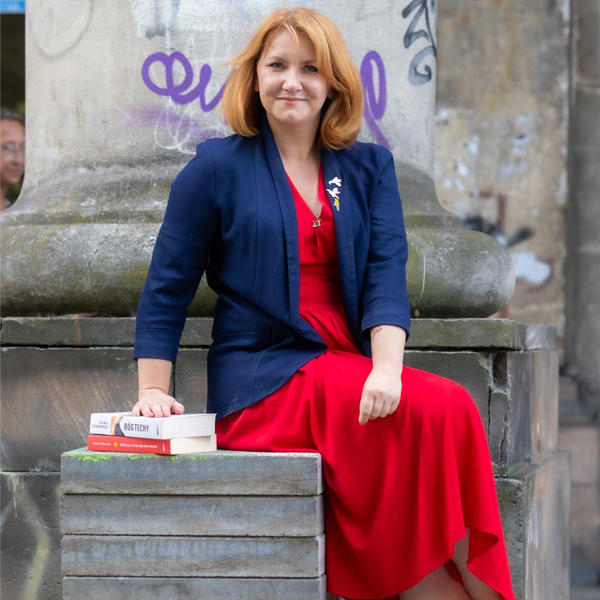
Sylwia Czubkowska
A long-time economic and technology journalist for outlets such as Gazeta Wyborcza, Dziennik Gazeta Prawna, and Przekrój. Host of the “Techstorie” podcast on TOK FM radio, which won Podcast of the Year in the Janusz Majka Competition in 2024.
Creator of Spider’sWeb+, a magazine nominated for the Grand Press Digital Award in 2022. Repeatedly nominated for Poland’s most prestigious journalism awards, including the Grand Press, the Teresa Torańska Newsweek Award, the Marek Król Award, and the Mariusz Walter Award. A four-time recipient of the President of the Polish Patent Office Award for articles on innovation. Winner of the Prof. Roman Czernecki Award and the Institute of Reportage Award “Theme: Refugees.”
Author of the books Chińczycy trzymają nas mocno (2022, Znak) and Bóg Techy (2025, Znak).
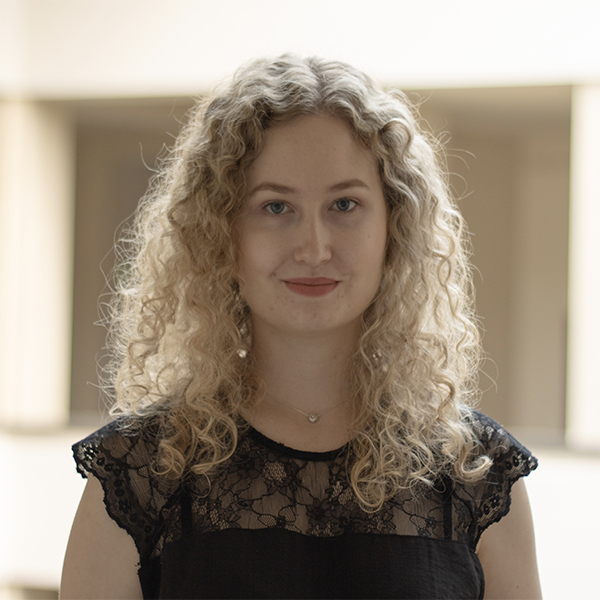
Jana Soukupová
Jana Soukupová works as a lecturer at the Center for Law, Technology, and Digitalization at Charles University’s Faculty of Law and as a junior associate at the Dentons law firm. In her practice, she focuses on ICT law, personal data protection, software contracts, and the regulation of artificial intelligence. She also lectures and publishes regularly on these topics.
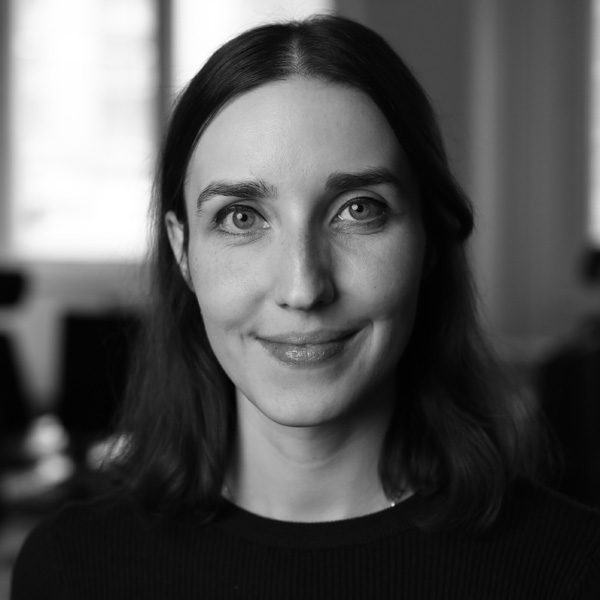
Alexandra Katkinová
Alexandra Katkinová is a strategic communication expert from the Slovak communication agency Seesame. Her work focuses on strategic approaches to preventing, responding to, and building resilience against disinformation and information manipulation in complex and polarised environments. Alexandra works with companies, NGOs, and public institutions to help them navigate how to communicate sensitive and contested issues in times when facts and arguments alone are often insufficient. She has been behind numerous public communication campaigns aimed at strengthening resilience to disinformation and critical thinking, including strategic communication and media literacy workshops.
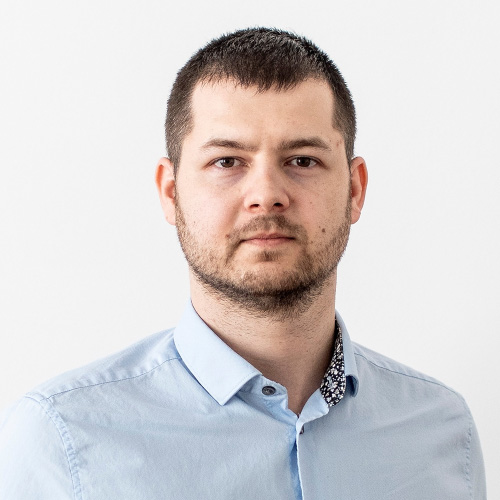
Martin Hodás
Martin Hodás is a journalist and editor with a background in technology and science reporting. Today, he combines his knowledge of digital topics and social media with monitoring Slovak infospace and various misinformation actors. After 12 years as a journalist across digital, print and radio, he is now fully focused on disinformation, hybrid threats, and FIMI. He is a reporter of the daily SME, where he authors a weekly newsletter covering local disinformation actors.
- What does the use of cyber-security tools look like with the example of strategies
to steal information through cyber-attacks and use this in the distribution of
disinformation through websites?
• Information from CERT and global (presentation to start with data)
• Discussion of the phenomenon of impersonation of politicians
• Force interception of accounts
• Impact on the economic situation
• Attacks on the mailboxes of politicians to use the acquired data for information operations - Cyber security in the aspect of disinformation research.
Presentation of selected methods for the study of cyber security and an attempt
to answer the possibilities and application to the study of disinformation
(what are the limitations in their application, areas of disinformation where
they can be applied). - Building scenarios of how information operations will look in the future and the
use of cyber security methods and tools in them. Attempting to forecast what
information operations will look like in 2035 and what tools and methods will be used.
• Overview of existing scenarios
• Tools and mechanisms for disinformation proliferation
• Scenario predictions
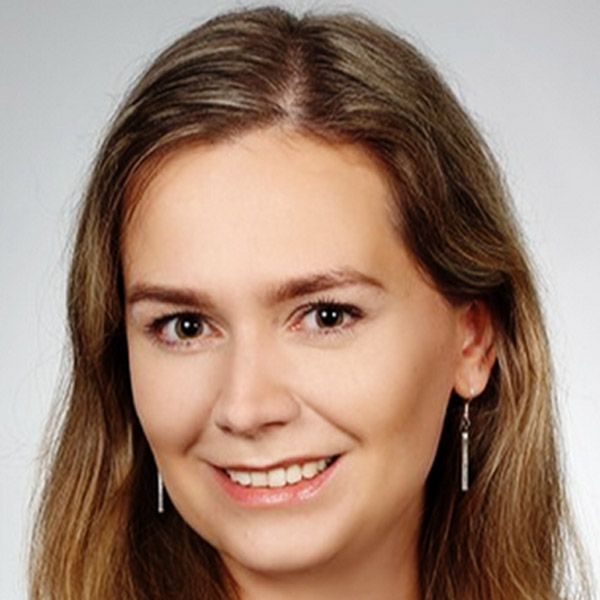
Michalina Grzelka, Moderator
Michalina Grzelka works as an Analyst at NASK, Poland, where she is a member of the Disinformation Campaigns Analysis and Detection Team. Her doctoral background in cultural anthropology informs her approach to disinformation research, particularly regarding Polish social and political dynamics that inform research methodologies, strategy development, and the creation of counter-disinformation measures. Michalina has designed and delivered training programs that have equipped over 50 activists and professionals with skills in identifying and countering different types of disinformation. An active participant in the disinformation analysis community, Michalina has contributed to conferences focused on disinformation analysis and prevention, both as a speaker and participant, advancing approaches to combating information manipulation.
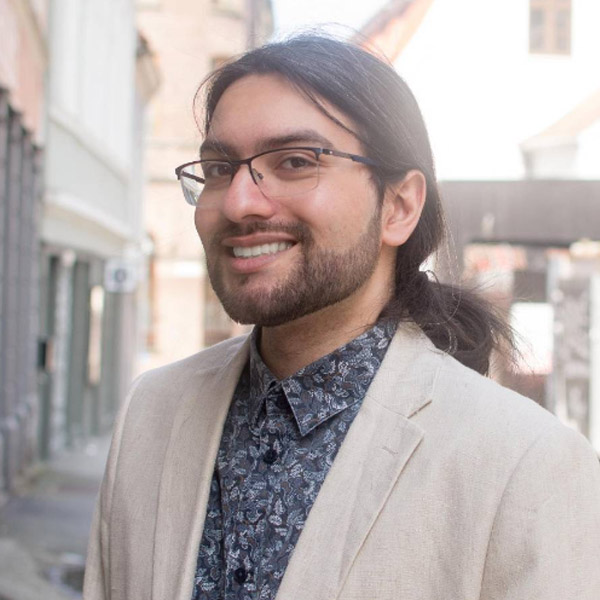
Saman Nazari
Saman is an open-source intelligence researcher focusing on Chinese and Russian influence operations. Sam is coordinating and developing the Counter Disinformation Network, a network aimed at bringing together all stakeholders, networks, and initiatives working to protect European Democracy against authoritarianism.
Jakub Kubś
Jakub Kubś jest doktorem nauk humanistycznych, analitykiem danych i ekspertem OSINT specjalizującym się w dezinformacji, operacjach wpływu oraz zagranicznych manipulacjach informacjami i ingerencjach w informacje (FIMI). Od 2021 roku pracuje w obszarze analizy dezinformacji. Jest autorem licznych raportów dotyczących rosyjskiej propagandy, skoordynowanego nieautentycznego zachowania w mediach społecznościowych (CIB) oraz finansowania rosyjskich mediów. W swojej pracy wykorzystuje analizę danych, mapowanie i wizualizację sieci powiązań, automatyzację analiz z użyciem AI, techniki i narzędzia OSINT oraz programowanie. Prowadził szkolenia z zakresu FIMI, metodologii DISARM, wywiadu otwartoźródłowego oraz obsługi platformy OpenCTI dla instytucji państwowych i organizacji pozarządowych w Europie, Afryce i Azji. Prelegent m.in. na GLOBSEC Forum. Jego badania były publikowane przez NATO StratCom CoE.
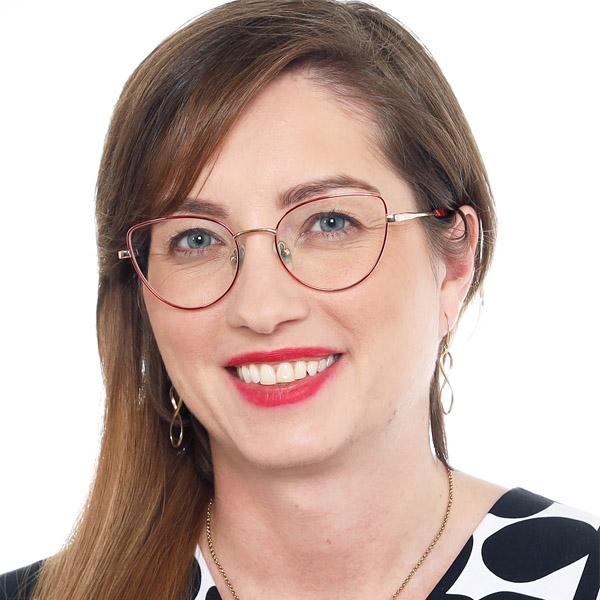
Olga Wałkuska
Olga is a cybersecurity awareness building specialist. She uses her experience as a copywriter to talk about complex matters in simple language. Working in cybersecurity, she focused on building awareness and promoting best practices. Switching her focus to disinformation allowed her to be involved in projects safeguarding democratic processes, countering disinformation, and promoting media literacy.
Olga was involved in the Election Umbrella initiative, educating the public about secure and transparent elections.
She has extensive knowledge of disinformation trends in Poland and actively participates in various initiatives aimed at combating disinformation. Her experience combines expertise in cybersecurity, communication, and disinformation, making her a valuable voice in discussions on the intersection of these critical areas.
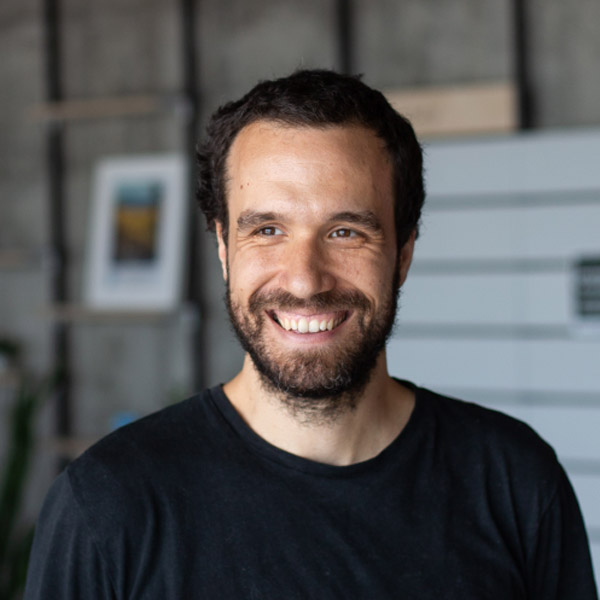
Jakub Šimko
Jakub Šimko is a researcher in the areas of artificial intelligence and human-computer interaction. His research includes disinformation combatting through automatic detection of disinformation content and support of media professionals like fact-checkers with AI-based tools. His research also includes auditing of social media recommender systems, which uses bots acting as platform users that stimulate the recommender systems with preferences and observe the system’s reactions.
Jakub is a researcher at Kempelen Institute of Intelligent Technologies (KInIT), in Bratislava, Slovakia, where he also leads the Web and User Data Processing team. He co-authored more than 50 internationally recognized publications, together receiving more than 900 citations. He’s been an investigator in multiple European research projects
- Disinformation, FIMI, and fake news—problem of definitions and its practical implications (what to regulate).
- How do we try to research disinformation and why it is so difficult (concrete examples and research experience)?
- Research disinformation in the social sciences—approaches from psychology, media studies, and sociology. What we know for sure and why so little?
- Are there any models for studying this phenomenon?
- The problem of trust in science—why is it so low? Does science really give clear answers? Why is it difficult to communicate scientific results? Science and conspiracy theories.
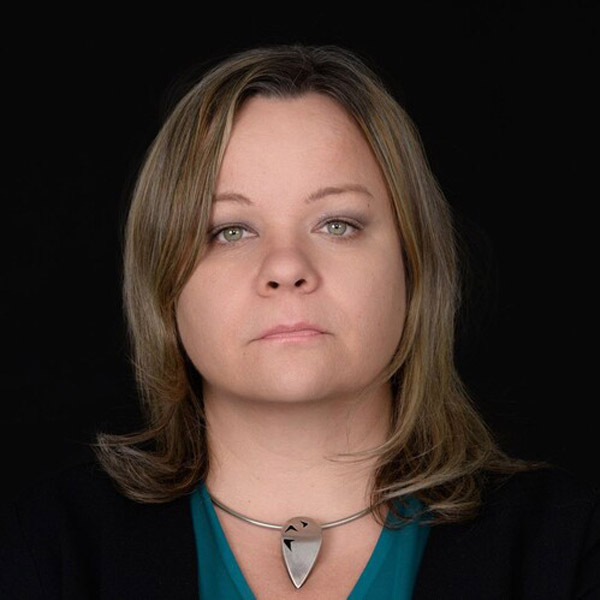
Karina Stasiuk-Krajewska, Moderator
Karina Stasiuk-Krajewska – associate professor at SWPS University in the field of social communication and media studies. The coordinator of research activities in Central European Digital Media Observatory and ADAC.io consortium. Expert of IFCN and the EDMO’s Group of Experts on Structural Indicators for the Code of Practice on Disinformation.
Scientifically she deals with issues of ethics and professionalization of journalism, public relations and fact-checking, research on disinformation as well as quantitative and qualitative discourse analysis. Author of over one hundred scientific publications, Media Lan manager at SWPS University. Author and co-author of several educational programs in the field of journalism, media, and social communication at the university level.
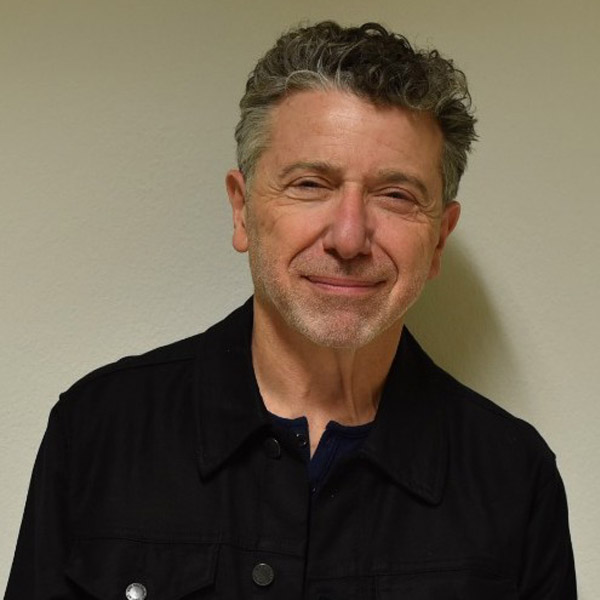
Silvio Waisbord
Silvio Waisbord is Professor at the School of Media and Public Affairs at George Washington University. He is Past President and Fellow of the International Communication Association. He is the Editor of the International Journal of Communication. He is the author and editor of twenty books, as well as articles on journalism and politics, communication studies, media policy, and communication for social change. His most recent book is Introduction to Journalism: Thinking Globally (Polity). He served as Director of the School of Media and Public Affairs at George Washington University (2020-2023). Also, he is the former Editor-in-Chief of the Journal of Communication and the International Journal of Press/Politics. Waisbord received a Licenciatura in Sociology from the Universidad de Buenos Aires and a Ph.D. in Sociology from the University of California, San Diego.
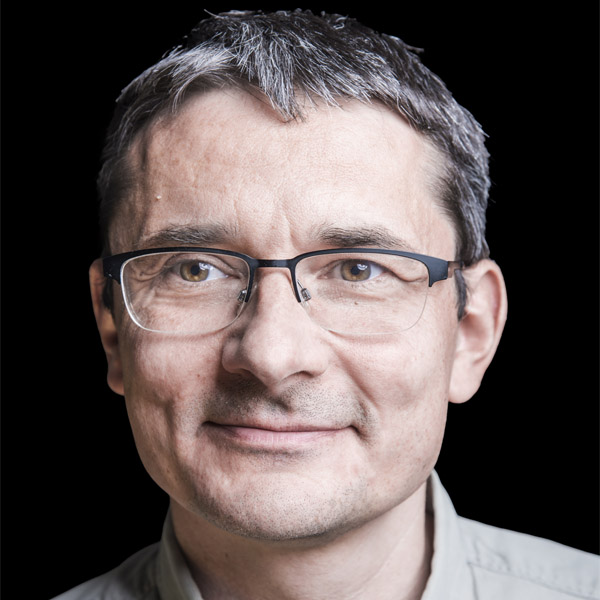
Michał Wenzel
Michał Wenzel is associate professor at SWPS University. His areas of interest are research methods and sociological aspects of the media. In his work he focuses on how the media shape political attitudes and civil society. Recently, his research concentrates on susceptibility to disinformation in European societies. In the past, he worked at CBOS Public Opinion Research Centre and the University of Oxford. He completed research stays at the University of Michigan and the Max Planck Institute in Cologne.
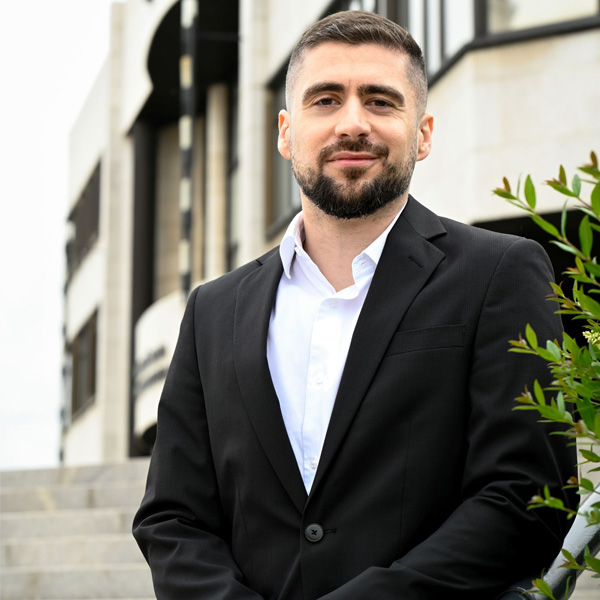
Roman Pudmarčík
Roman Pudmarčík is a sociologist and the Account Director at Ipsos Slovakia, where he leads the Public Affairs & Customer Experience department. He has been with Ipsos since 2016. In his role, Roman is responsible for implementing strategic research and international projects for key clients and overseeing all Public Affairs and Customer Experience measurements. He specializes in election research and is also involved in the CEDMO Trends study, a significant research project by CEDMO and Ipsos in Slovakia that monitors societal attitudes with a primary focus on disinformation and information disorders.
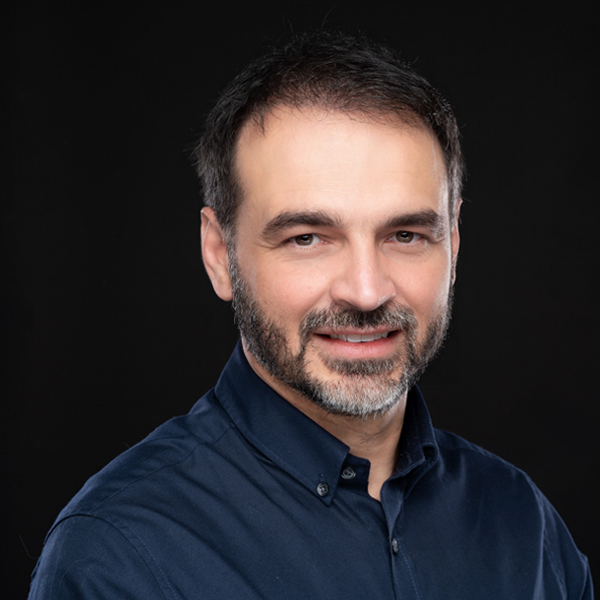
Konrad Maj
Dr Konrad Maj is a social psychologist. He is the founder and head of the HumanTech Center at SWPS University and an assistant professor in the Department of Artificial Intelligence at the Faculty of Design in Warsaw. His research focuses on the social and psychological aspects of new technologies. He is a pioneer of experimental research on human–robot interaction in Poland.
He chairs the organizing committee of the international HumanTech Summit conference, is a member of the Program Council of the Banking Technology Forum, and serves on the Expert Council of the Save Screen Save Minds project. He is a recipient of the Science Popularizer award granted by the Ministry of Education and Science (2023), the Stefan Szuman Award (2024), and the Nicolaus Copernicus Medal of the Polish Bank Association (2025). He is also a scholarship holder of the Polish National Agency for Academic Exchange (NAWA).
Dr Maj is the author of numerous scientific publications in leading international journals, including Computers & Education, International Journal of Social Robotics, and Cognition, Technology & Work. He has been recognized as one of the 25 most distinguished graduates celebrating the 25th anniversary of SWPS University.
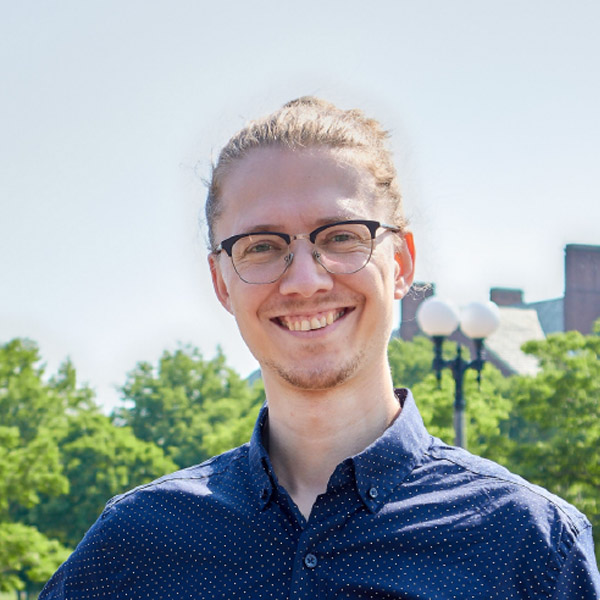
Ivan Ruta Cuker
Ivan Ruta Cuker is a sociologist and data analyst at the Central European Digital Media Observatory (CEDMO), which is based at Charles University in Prague. In addressing the threat posed by disinformation, misinformation and malinformation, he focuses on social science research aimed at identifying the underlying factors that make people more susceptible to false and misleading messages disseminated publicly. His main focus is climate disinformation, and more broadly, environmental disinformation. The area of environmental sociology is also the basis of his dissertation. Within CEDMO he oversees the an international project surveying repetedly populations of 9 EU countries.
- Does journalism have a chance to survive?
- In what model?
- What are the main problems of today’s journalism/media? What are the solutions?
- Is it possible to rebuild public trust in the media?
- Should a journalist still be objective (or critical of certain visions of the world)?
- What is the relationship between journalism and fact-checking?
- Do audiences need dailies and journalism and for what?
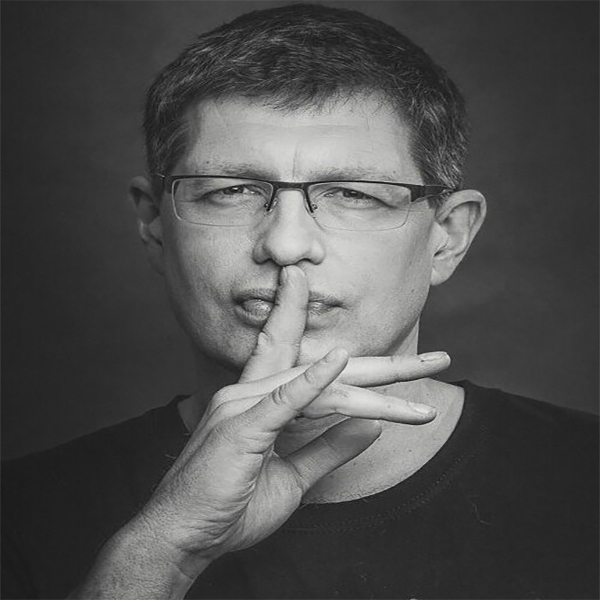
Rafał Motriuk, Moderator
Activator and achiever, Rafał lives the life of action through his own communications and coaching company, InterComm. As Executive Communication Consultant, he helps companies decide what and how to communicate to get the best results.
A science correspondent for the BBC and Polish Radio. Producer and editor of the BBC World Service programs „World Business Report” and „Science in Action.” Former lecturer at SWPS University.
Author of two books: „A Straight Road to Success” and „Autistic Son, Desperate Dad.” An audiophile and jazzman, he annoys his neighbours by playing bass before dawn.
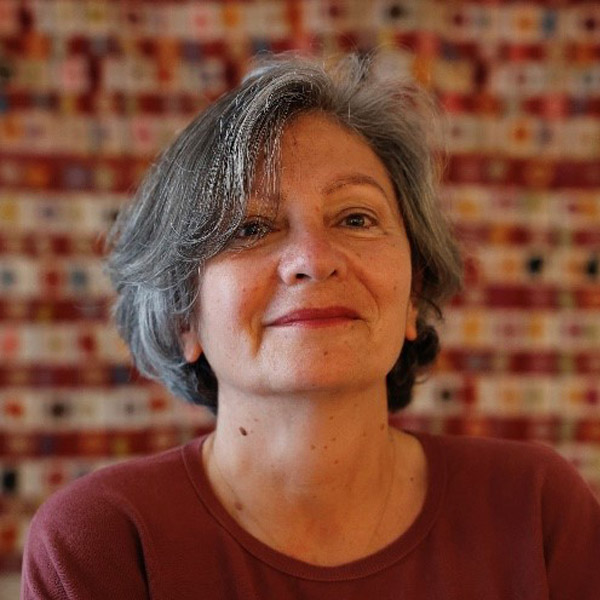
Joyce Zablit
Joyce Zablit, of Agence France-Presse, is involved in fact-checking activities at CEDMO. She is a journalist with more than 30 years of professional experience. She is currently in charge of several European media projects focused on disinformation. During her career at AFP, she has managed several bureaus. Most recently, she served as West Coast Bureau Chief, based in Los Angeles. Prior to that, she was AFP’s Europe/Africa English desk chief, AFP’s Beirut Bureau Chief, European Affairs Correspondent and Lifestyle Editor in Washington.
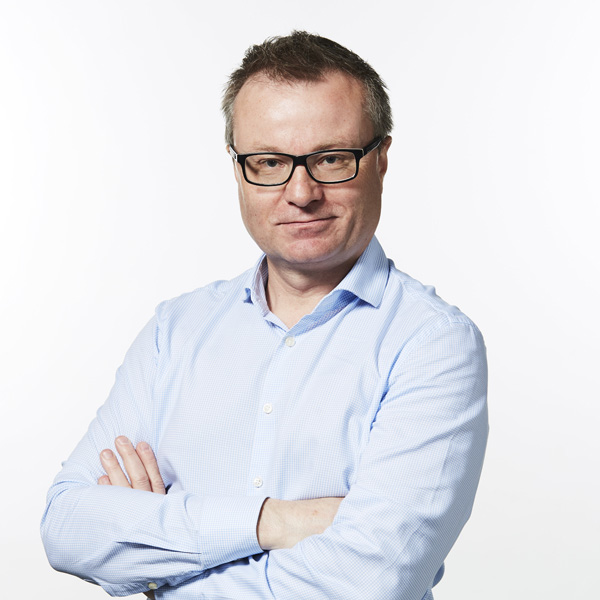
Roman Imielski
First Deputy Editor-in-Chief of Gazeta Wyborcza. Former managing editor, head of the foreign and political desks at Gazeta Wyborcza, and editor-in-chief of Wyborcza.pl. Author of numerous articles on Polish politics, Russia, Ukraine, the European Union, and transatlantic relations. A commentator on international and Polish affairs in electronic media. He has worked at Gazeta Wyborcza since 1995, initially in the local newsroom in Katowice, and since 2001 at the Warsaw headquarters as deputy head of the sports desk. A trained historian and a graduate of the University of Silesia, he is a co-author of the book The Kremlin’s Most Important Match about the football World Cup in Russia. He teaches journalism at SWPS University. He is a member of the international media organizations INMA and WAN-IFRA.
Gyula Csák
Gyula Csák is an editor at Bellingcat with a background in investigative reporting, news journalism, and network building. He previously worked at the BBC, BIRN, Euronews, and RFE/RL.
Olga Wałkuska
Olga is a cybersecurity awareness building specialist. She uses her experience as a copywriter to talk about complex matters in simple language. Working in cybersecurity, she focused on building awareness and promoting best practices. Switching her focus to disinformation allowed her to be involved in projects safeguarding democratic processes, countering disinformation, and promoting media literacy.
Olga was involved in the Election Umbrella initiative, educating the public about secure and transparent elections.
She has extensive knowledge of disinformation trends in Poland and actively participates in various initiatives aimed at combating disinformation. Her experience combines expertise in cybersecurity, communication, and disinformation, making her a valuable voice in discussions on the intersection of these critical areas.
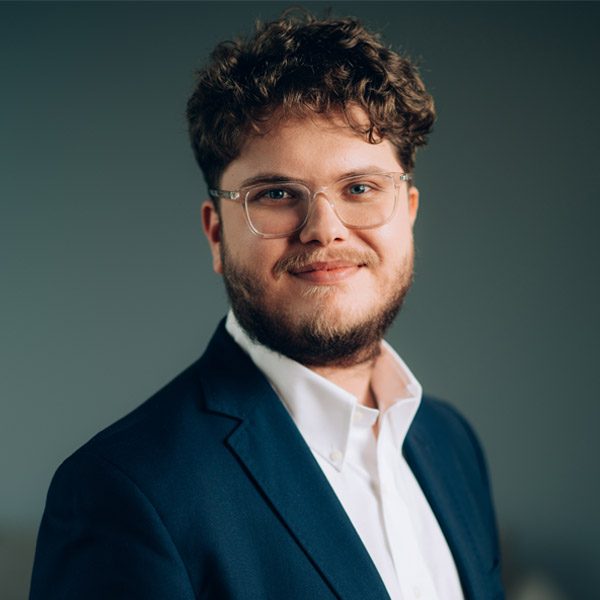
Mateusz Cholewa
Mateusz Cholewa – a journalist by profession, formerly a radio reporter, and for several years now a disinformation analyst. Associated with the Demagog Association since 2021. Specializes in online scams and conspiracy theories. Author of the journalistic series “With a camera among conspiracies.” Winner of the 2025 Wirtuale award for combating disinformation.
Panelists

Partners





With the Support of:

This event received funding from the European Union under the call: DIGITAL-2023-DEPLOY-04, project 101158609 and is co-funded by the Polish Ministry of Science and Higher Education under the program entitled „Projekty Międzynarodowe Współfinansowane” in the years 2024-2026 (contract no. 6054/DIGITAL/2024/2025/2).
This website reflects the views only of the independent consortium, and neither the Commission nor the Polish Ministry of Science and Higher Education cannot be held responsible for any use that may be made of the information contained herein.