

For the first State of the Union address of his second term, US President Donald Trump sought to paint a…
Fact Check

At an event to promote new dietary guidelines, US Health and Human Services Secretary Robert F. Kennedy, Jr. said the ketogenic diet, or keto diet, has been established as a “cure” for schizophrenia. But experts told AFP his comments overstated promising initial results from studies that examined the role of the high-fat, low-carbohydrate diet as an intervention for psychiatric patients who do not see relief from pharmaceutical treatments.

Ahead of Puerto Rican superstar Bad Bunny’s performance at the National Football League’s Super Bowl halftime show, conservative social media users outraged over the Grammy-winning singer’s Spanish-language music claimed an image captured him burning a US flag and wearing a dress in the colors of the transgender pride flag during a rehearsal. But the image is a fake created by artificial intelligence; it contains various irregularities typical of AI-generated content and appears to have originated on a satire page.
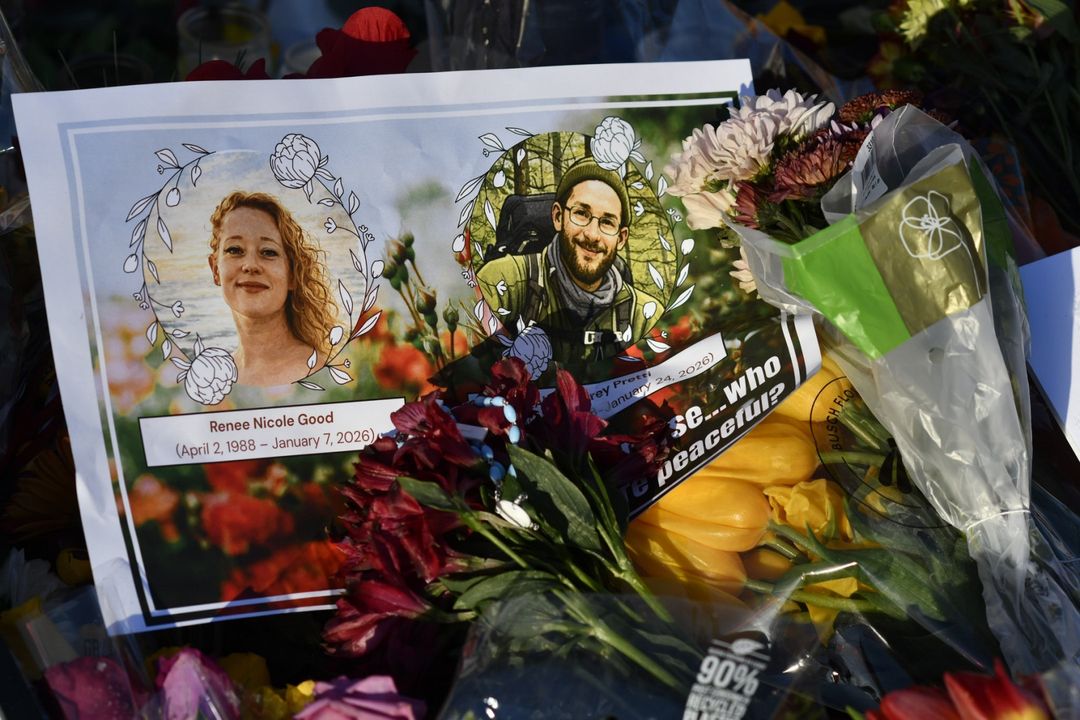
The death of Alex Pretti sparked outrage nationwide after he was shot at point-blank range on January 24, 2026 by federal agents in Minnesota. At the same time, supporters of armed immigration forces in Minneapolis circulated images of bearded individuals wearing dresses or makeup with claims — often containing anti-LGBTQ language — that they were pictures of Pretti.
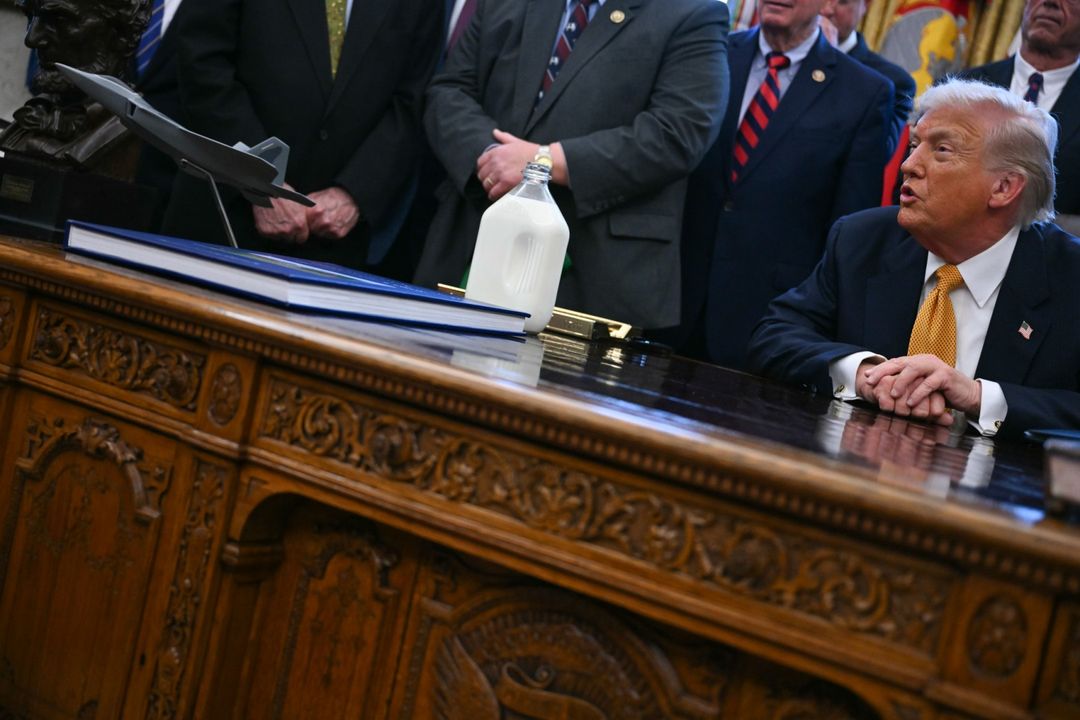
Calls to consume raw milk regained traction on social media in January 2026 following the release of the US government’s new dietary guidelines highlighting dairy and meat products. President Donald Trump’s administration recently campaigned to center whole milk — which is pasteurized — in American diets. But a loud fringe of social media users called to go even further by legalizing unpasteurized milk nationwide, despite serious health risks backed by over a century of research on the topic.
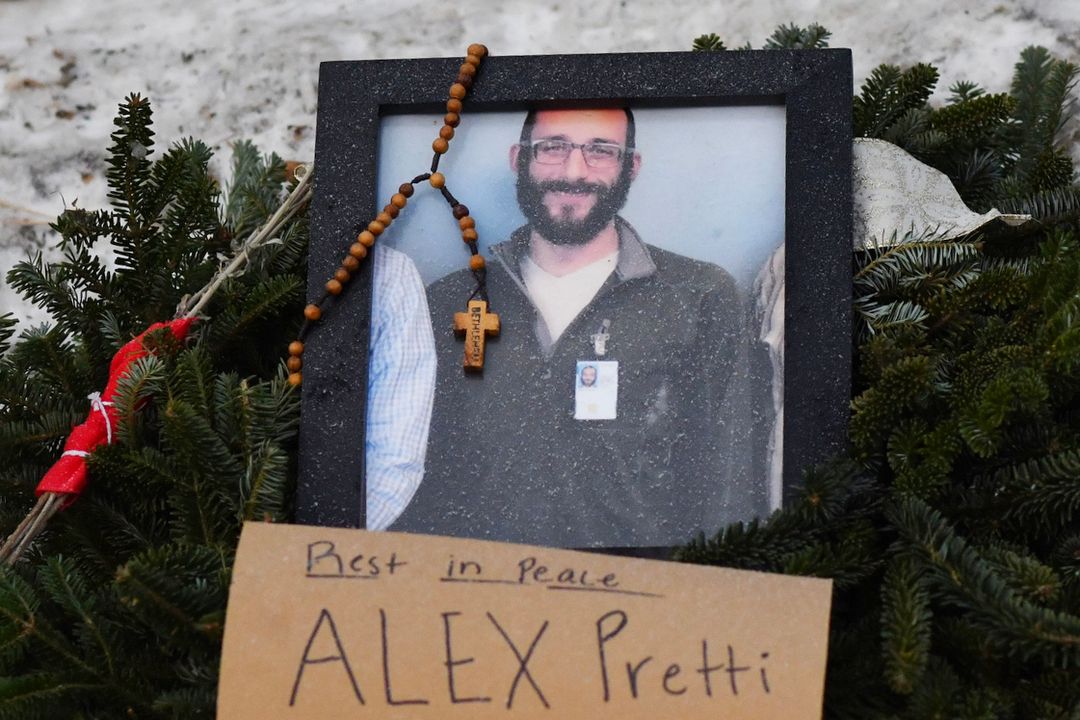
Social media is awash with graphic footage from the moment US federal immigration agents shot and killed 37-year-old intensive care nurse Alex Pretti in Minneapolis, Minnesota, but one supposed frame from the scene was manipulated using artificial intelligence. Experts confirmed the image was a synthetic enhancement of authentic video of the shooting, as is evidenced by one figure missing his head.
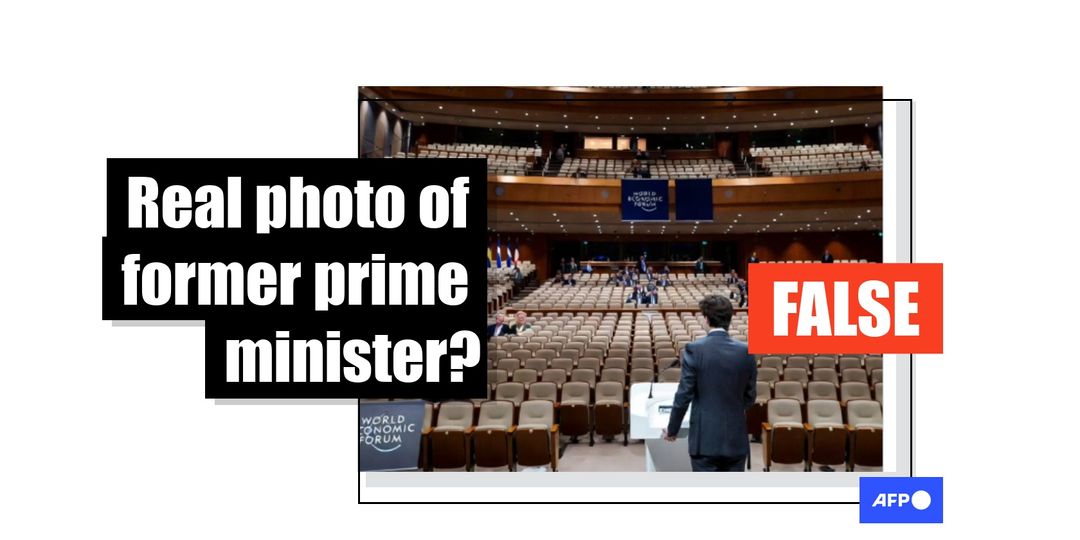
Former Canadian prime minister Justin Trudeau took to the stage at the 2026 World Economic Forum in Davos, Switzerland, but images spreading on social media of him addressing an almost-empty conference room are manipulations. Several elements point to the picture being AI-generated, and it does not match authentic footage of Trudeau’s talk at the annual gathering of global leaders.
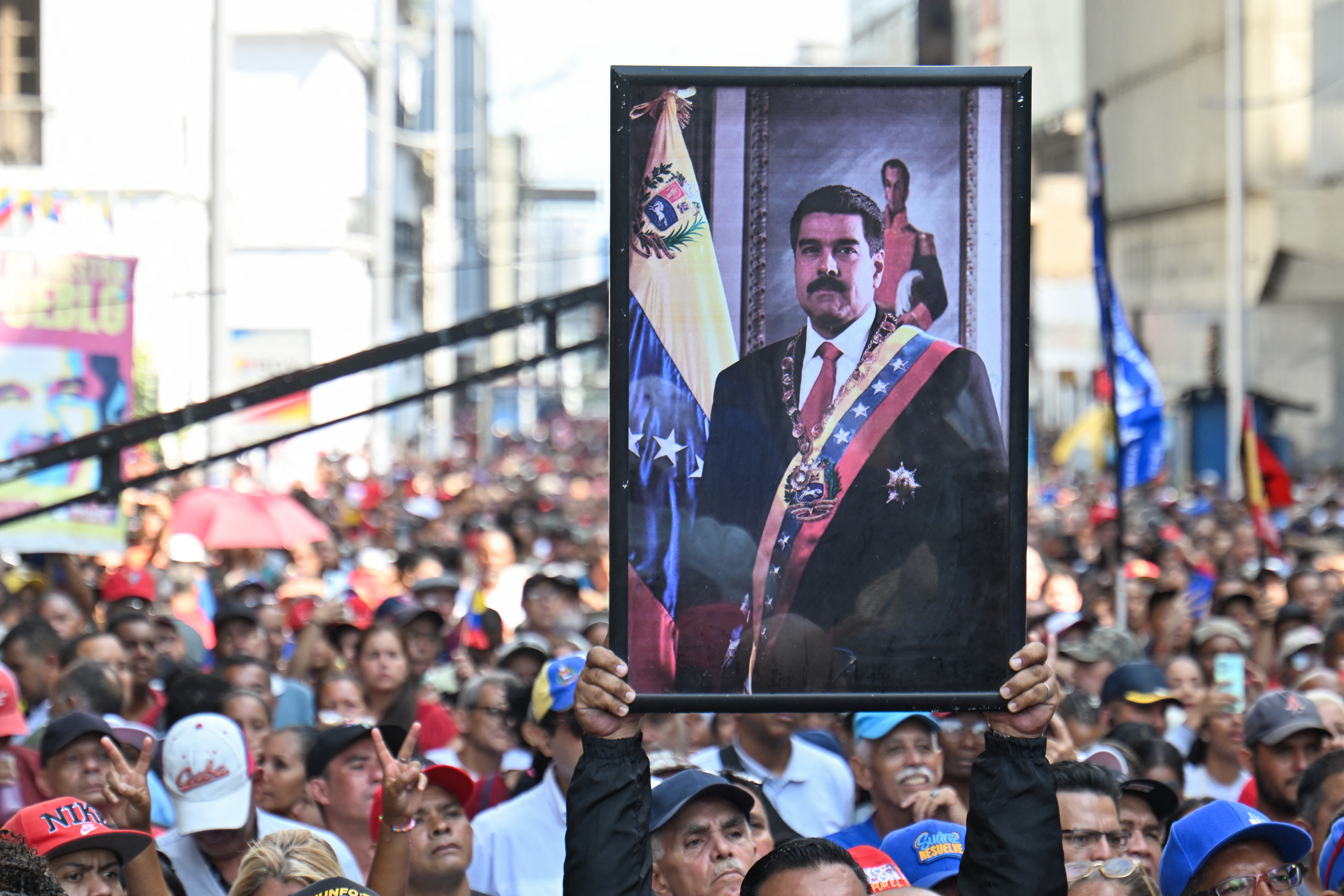
From AI deepfakes to recycled, outdated images, a surge of visual misinformation has inundated social media platforms after US forces seized Venezuelan leader Nicolas Maduro in a stunning raid on his Caracas home.
Author(s): BORIS BACHORZ / AFP Originally published here.

After thousands of anti-immigration protesters took to the streets in Australian cities, a video was misleadingly shared in social media posts claiming it showed young Muslim men intimidating Germans at a Christmas market. The footage, filmed in December 2024, in fact shows people passing through a Christmas market in Essen, Germany, as they celebrated the toppling of the former Syrian president Bashar al-Assad — a demonstration the local police and the city’s tourism department told AFP were peaceful.