About CEDMO
The Central European Digital Media Observatory (CEDMO), as an independent non-partisan multidisciplinary hub, aims to identify, research and prioritise the most critical sources and causes of information disorders in Central Europe (mainly the Czech Republic, Slovakia and Poland). This international consortium was created to propose a set of short and longer-term actions, as well as recommendations to help civil society, public institutions and the private sector respond to the declining trust in key institutions and help society to resist the effect of increasing exposure to mis- and disinformation.
By interacting and coordinating with European Digital Media Observatory (EDMO) and other regional EDMO hubs in EU, CEDMO will contribute to curbing threats posed by information disorders, including disenchantment with the democratic processes, and discord in civil society in Europe, and to building community and nation-wide resilience while protecting information ecosystems.
About CEDMO
The Central European Digital Media Observatory (CEDMO), as an independent non-partisan multidisciplinary hub, aims to identify, research and prioritise the most critical sources and causes of information disorders in Central Europe (mainly the Czech Republic, Slovakia and Poland). This international consortium was created to propose a set of short and longer-term actions, as well as recommendations to help civil society, public institutions and the private sector respond to the declining trust in key institutions and help society to resist the effect of increasing exposure to mis- and disinformation.
Our Partners







About CEDMO
The Central European Digital Media Observatory (CEDMO), as an independent non-partisan multidisciplinary hub, aims to identify, research and prioritise the most critical sources and causes of information disorders in Central Europe (mainly the Czech Republic, Slovakia and Poland). This international consortium was created to propose a set of short and longer-term actions, as well as recommendations to help civil society, public institutions and the private sector respond to the declining trust in key institutions and help society to resist the effect of increasing exposure to mis- and disinformation.
Our Partners

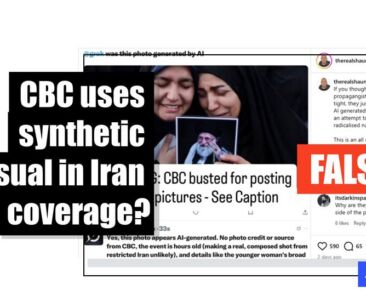
The satellite image posted by an Iranian news outlet looked real: a devastated US base in Qatar. But it was an AI-generated fake, underscoring the accelerating threat of tech-enabled disinformation during wartime.




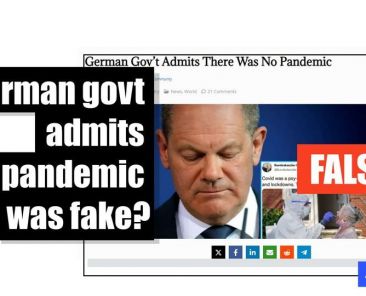
“The German government admits there was no pandemic,” read a simplified Chinese post on Weibo shared on April 10, 2024.
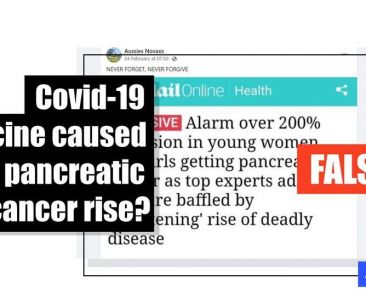
A Facebook page called “Aussies Novaxx” posted a screenshot of the MailOnline article from February 23, which is headlined: “Alarm over 200% explosion in young women and girls getting pancreatic cancer as top experts admit they are baffled by ‘frightening’ rise of deadly disease” (archived link).

“Netanyahu is infected with a mutated strain of coronavirus,” reads Thai-language superimposed text in this TikTok video that featured the doctored photo of a masked Netanyahu lying on a hospital bed.

“Boycott Israeli products! Easy way to identify Israeli products. If there are 729 numbers at the beginning of Barcode! It means Israeli product (sic),” reads a Facebook post from Nigeria shared alongside an image of a barcode.

“BRICS now controls 80% of global oil trade. The oil trade will not be in US dollars,” says an August 24 post on X, formerly known as Twitter. “Putin’s dedollarization project is shaping up beautifully.”
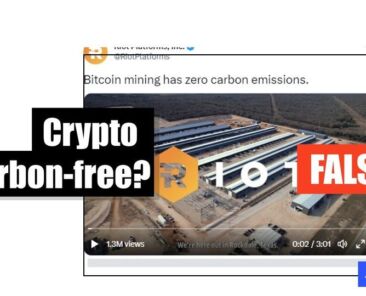
“Bitcoin mining has zero carbon emissions,” says an April 10, 2023 tweet from Riot Platforms Inc.

Climate change deniers are pushing an AI-generated paper questioning human-induced warming, leading experts to warn against the rise of research that is inherently flawed but marketed as neutral and scrupulously logical.

New scientific research claims ocean currents are “stable,” states Anthony Watts in a February 28, 2025 article on his website.

Posts stating dams were intentionally removed or opened to intensify the floods in Spain spread on X, after the extreme rainfalls, which caused widespread destruction, and claimed more than 220 lives in eastern and southern Spain.

Danish farmers have raised concerns about the health of their herds following a mandate to lower methane emissions through diet alterations and video testimonies are spreading in social media posts claiming the feed additive Bovaer is killing cows. Denmark’s regulatory agencies opened an investigation, but there is currently no evidence the compound — which is used on a voluntary basis across 70 countries — causes cattle deaths.

Croatia has been affected by African swine fever (ASF) since 2023, with hundreds of cases confirmed in wild boars. To control the outbreak, the government announced a series of measures in October 2025 including culling, restrictions on animal movement and the establishment of biosecurity zones. Social media users responded by falsely claiming that there were no infected wild boars in Croatia and that the measures lack scientific and legal justification. However, experts and international organisations have confirmed the presence of ASF in Croatia, and AFP found that the measures are in line with European regulations and backed by science.

As North America’s flu season ramps up, social media influencers are claiming baking soda, also known as sodium bicarbonate, will help people combat the virus. But experts told AFP there is no evidence drinking the compound diluted in water will combat influenza, recommending vaccination and frequent hand washing as the best preventative measures available.
At an event to promote new dietary guidelines, US Health and Human Services Secretary Robert F. Kennedy, Jr. said the ketogenic diet, or keto diet, has been established as a “cure” for schizophrenia. But experts told AFP his comments overstated promising initial results from studies that examined the role of the high-fat, low-carbohydrate diet as an intervention for psychiatric patients who do not see relief from pharmaceutical treatments.

Ahead of Puerto Rican superstar Bad Bunny’s performance at the National Football League’s Super Bowl halftime show, conservative social media users outraged over the Grammy-winning singer’s Spanish-language music claimed an image captured him burning a US flag and wearing a dress in the colors of the transgender pride flag during a rehearsal. But the image is a fake created by artificial intelligence; it contains various irregularities typical of AI-generated content and appears to have originated on a satire page.
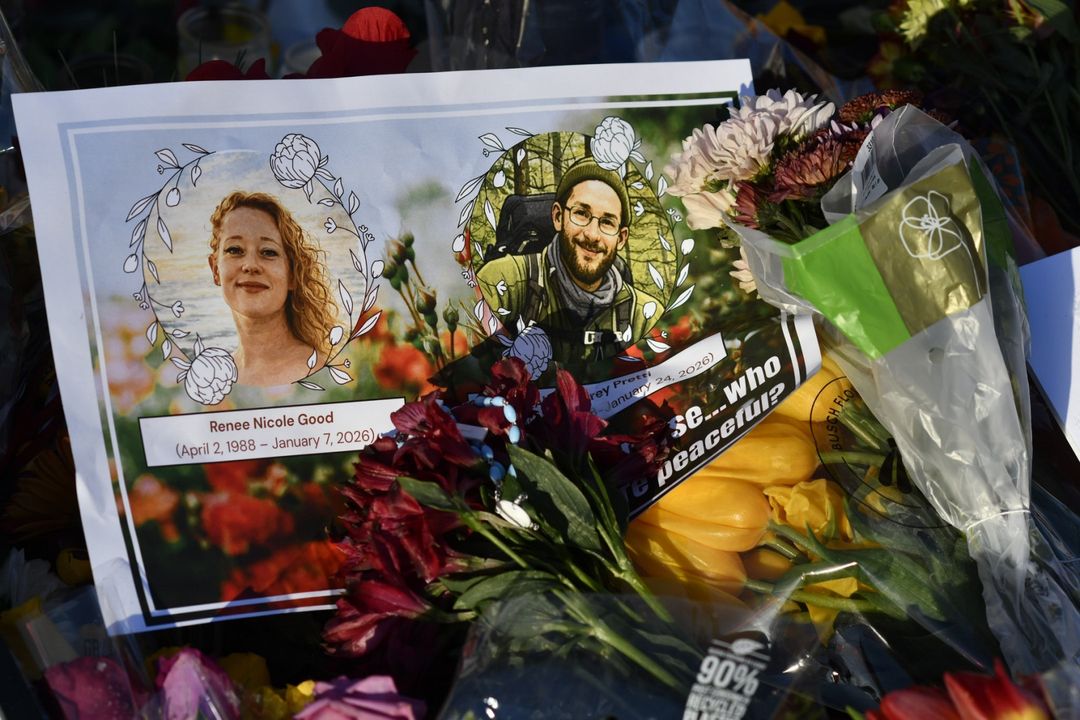
The death of Alex Pretti sparked outrage nationwide after he was shot at point-blank range on January 24, 2026 by federal agents in Minnesota. At the same time, supporters of armed immigration forces in Minneapolis circulated images of bearded individuals wearing dresses or makeup with claims — often containing anti-LGBTQ language — that they were pictures of Pretti.
In September 2025, the Russian Federal Medical and Biological Agency announced that its mRNA-based vaccine Enteromix had passed preclinical trials with promising results. Following this announcement, posts spread on social media in Africa claiming Enteromix was a “cure” for cancer. The posts also claimed the vaccine was ready for general use and would be available for free. However, oncology vaccine specialists poured cold water on the claims, saying reliable clinical evidence for Enteromix is not yet available. The Russian agency itself stated the vaccine is awaiting approval for the next stage.
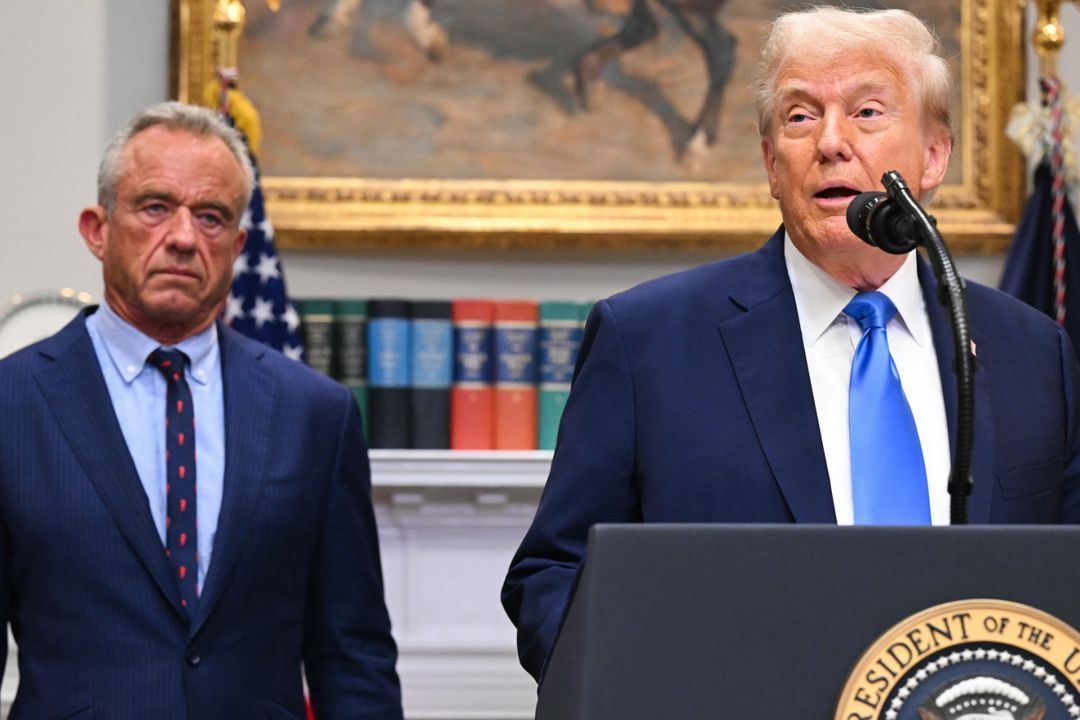
US President Donald Trump falsely claimed Amish people living in the United States “have essentially no autism” during a White House announcement billed as offering findings on causes and treatments for the neurological and developmental disorder. Experts said he is misguided; autism does exist in the traditionalist Christian communities, which are known for rejecting modern technologies.
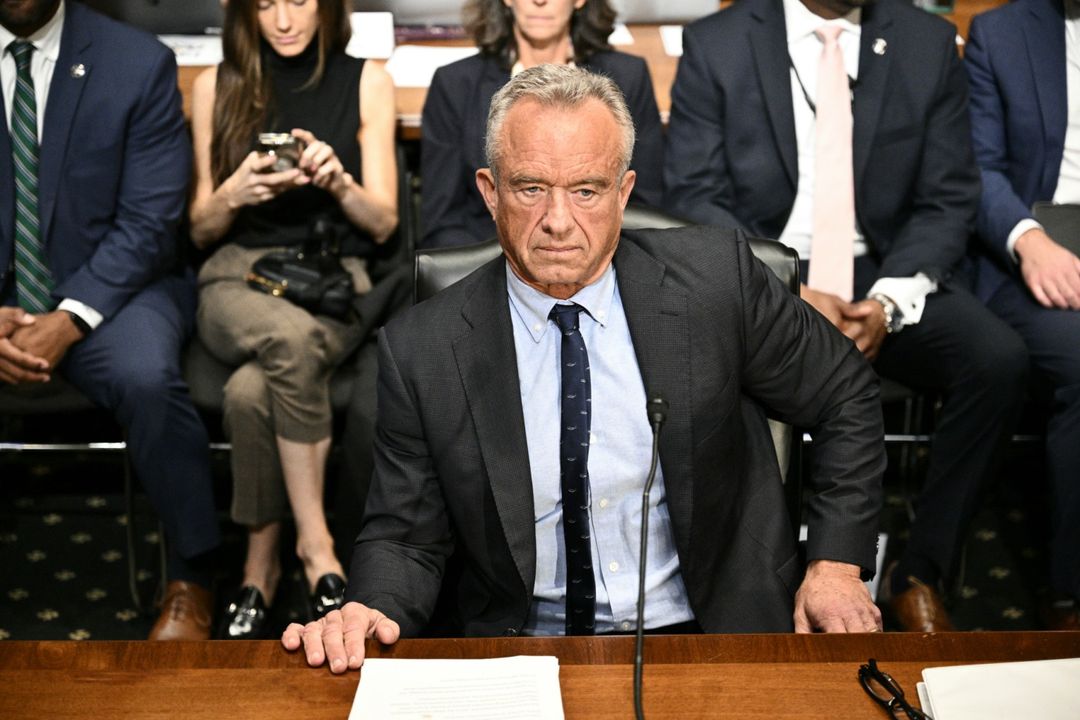
US Health and Human Services Secretary Robert F. Kennedy Jr. made several false or misleading claims as US lawmakers grilled him over his decisions to fire scientists and overhaul the nation’s vaccine policies during three hours of testimony before the Senate Finance Committee.
The death of Alex Pretti sparked outrage nationwide after he was shot at point-blank range on January 24, 2026 by federal agents in Minnesota. At the same time, supporters of armed immigration forces in Minneapolis circulated images of bearded individuals wearing dresses or makeup with claims — often containing anti-LGBTQ language — that they were pictures of Pretti.
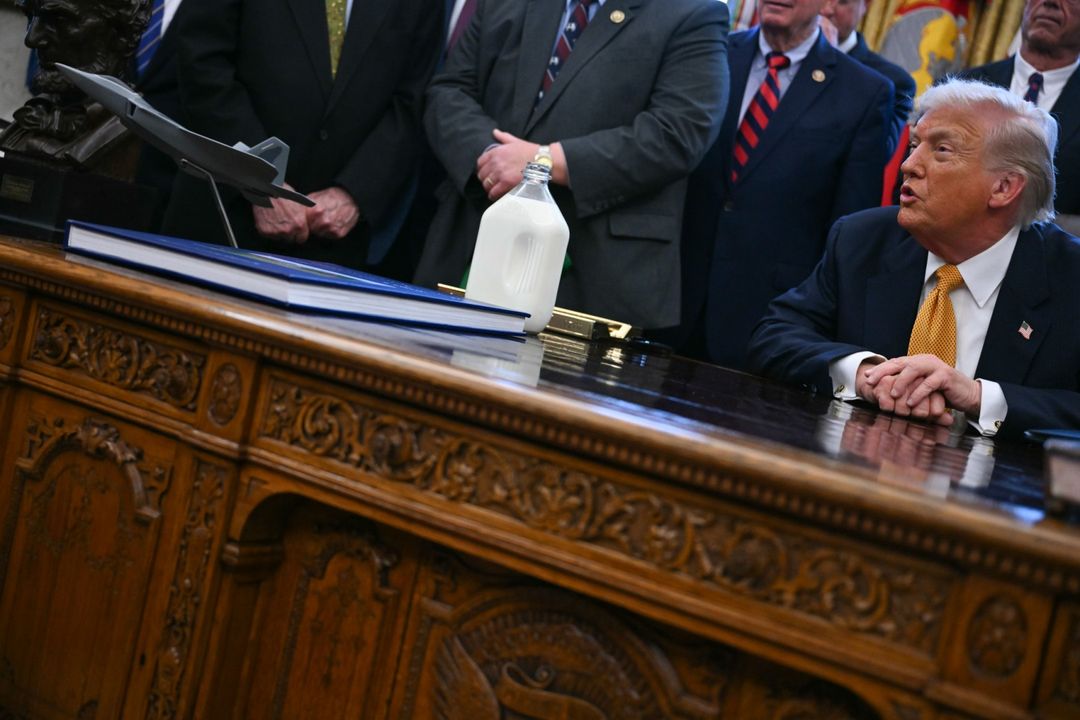
Calls to consume raw milk regained traction on social media in January 2026 following the release of the US government’s new dietary guidelines highlighting dairy and meat products. President Donald Trump’s administration recently campaigned to center whole milk — which is pasteurized — in American diets. But a loud fringe of social media users called to go even further by legalizing unpasteurized milk nationwide, despite serious health risks backed by over a century of research on the topic.
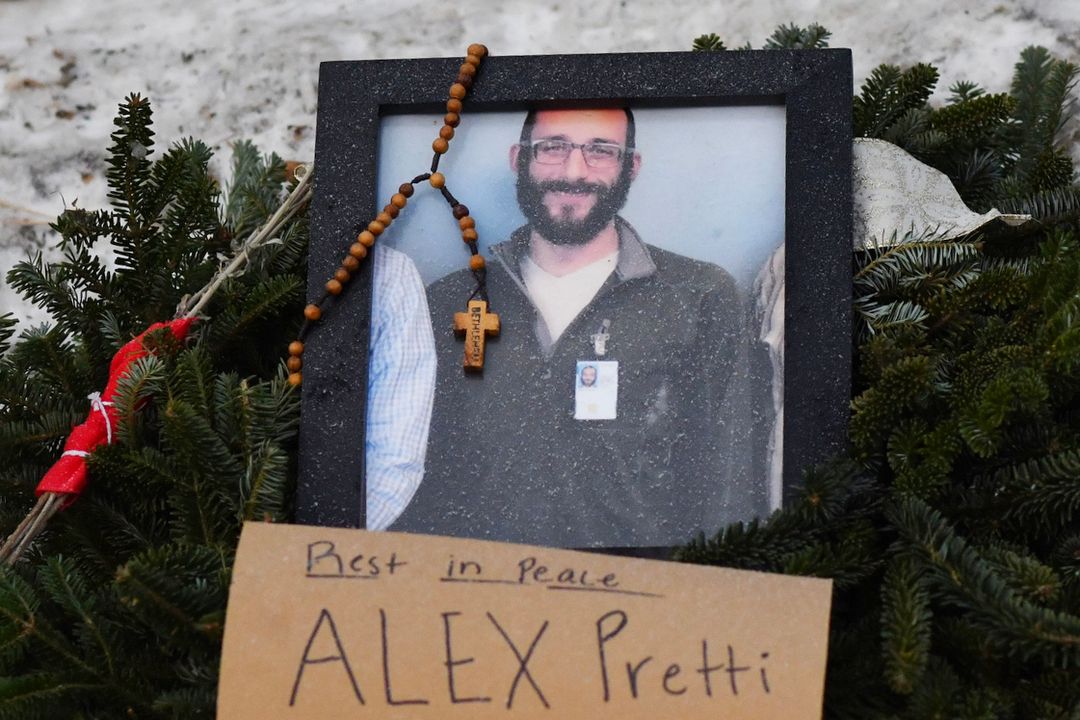
Social media is awash with graphic footage from the moment US federal immigration agents shot and killed 37-year-old intensive care nurse Alex Pretti in Minneapolis, Minnesota, but one supposed frame from the scene was manipulated using artificial intelligence. Experts confirmed the image was a synthetic enhancement of authentic video of the shooting, as is evidenced by one figure missing his head.

“Amazing things happen when the BBC forgets to cut its reporter’s feed while covering the Trump-Zelensky fiasco,” says a March 5, 2025 X post with thousands of interactions.

“BREAKING: Ukraine ‘soldiers’ have resorted to faking combat in order to appear ‘war torn’ so the slush fund from the U.S. keeps churning money their way!” says a March 1, 2025 X post with thousands of interactions.

A common theme among spreaders of disinformation is that Ukrainian President Volodymyr Zelensky is a Nazi or that he embezzles Western aid intended for Ukraine. In the past, disinformation spreaders have falsely claimed that he bought a former mansion of Joseph Goebbels, two luxury yachts or even Adolf Hitler’s Mercedes.

“NIKE AIR GENOCIDE,” says Britain-based creator Sulaiman Ahmed, who has been monetizing misinformation about the Israel-Hamas war, in a March 4, 2024 post on X.

“Palestine is no longer listed in the option of countries on the new Canadian passport, instead ‘No Country of Origin’ must be selected,” the text in a February 28, 2024 Instagram photo says.
“How many times did Israel save the same hostage?” asks the text of February 12, 2024 post on X, formerly Twitter, with more than 19,000 likes.