About CEDMO
The Central European Digital Media Observatory (CEDMO), as an independent non-partisan multidisciplinary hub, aims to identify, research and prioritise the most critical sources and causes of information disorders in Central Europe (mainly the Czech Republic, Slovakia and Poland). This international consortium was created to propose a set of short and longer-term actions, as well as recommendations to help civil society, public institutions and the private sector respond to the declining trust in key institutions and help society to resist the effect of increasing exposure to mis- and disinformation.
By interacting and coordinating with European Digital Media Observatory (EDMO) and other regional EDMO hubs in EU, CEDMO will contribute to curbing threats posed by information disorders, including disenchantment with the democratic processes, and discord in civil society in Europe, and to building community and nation-wide resilience while protecting information ecosystems.
About CEDMO
The Central European Digital Media Observatory (CEDMO), as an independent non-partisan multidisciplinary hub, aims to identify, research and prioritise the most critical sources and causes of information disorders in Central Europe (mainly the Czech Republic, Slovakia and Poland). This international consortium was created to propose a set of short and longer-term actions, as well as recommendations to help civil society, public institutions and the private sector respond to the declining trust in key institutions and help society to resist the effect of increasing exposure to mis- and disinformation.
Our Partners






About CEDMO
The Central European Digital Media Observatory (CEDMO), as an independent non-partisan multidisciplinary hub, aims to identify, research and prioritise the most critical sources and causes of information disorders in Central Europe (mainly the Czech Republic, Slovakia and Poland). This international consortium was created to propose a set of short and longer-term actions, as well as recommendations to help civil society, public institutions and the private sector respond to the declining trust in key institutions and help society to resist the effect of increasing exposure to mis- and disinformation.
Our Partners

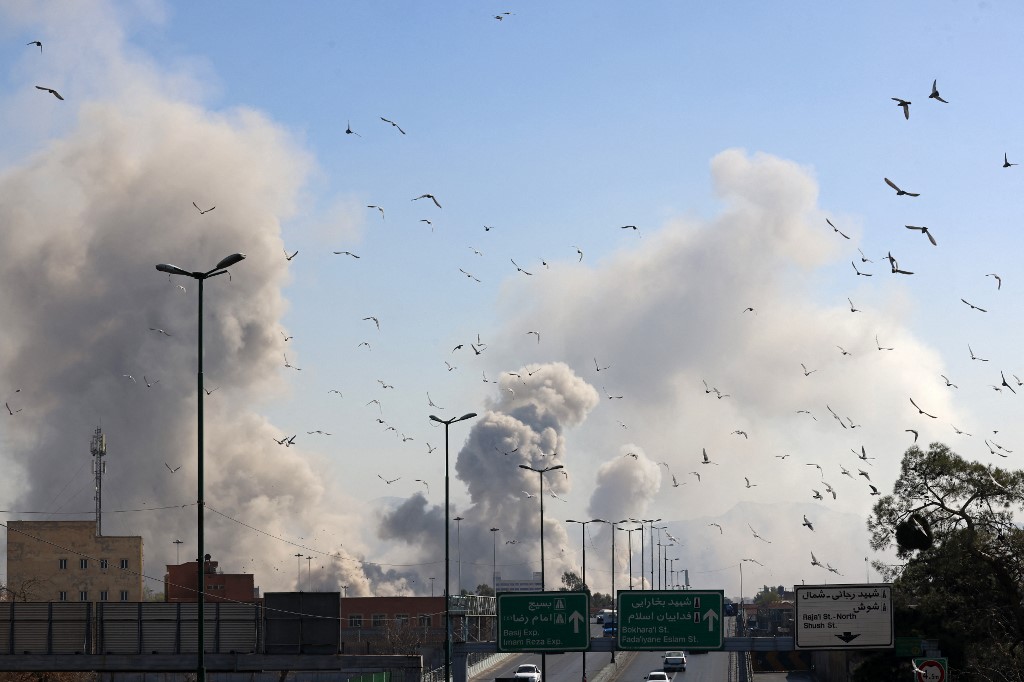
The satellite image posted by an Iranian news outlet looked real: a devastated US base in Qatar. But it was an AI-generated fake, underscoring the accelerating threat of tech-enabled disinformation during wartime.



“The president of Poland has declared military mobilisation. Poland will enter Ukraine and join the Ukrainian military resistance!” reads the simplified-Chinese language claim posted on a Chinese microblogging website Weiboon May 8, 2022.
“The Russian army used thermobaric weapons again,” reads thistweet, which shared a video on March 3, 2022.
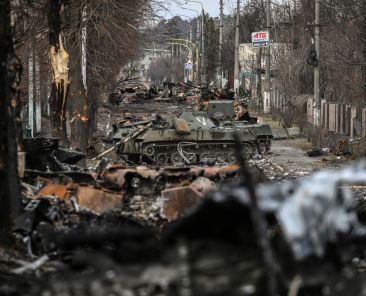
“The video shows the Ukrainian army preparing a prop for a staged shooting,” reads a simplified Chinese post on April 7 on Weibo, China’s Twitter-like platform.
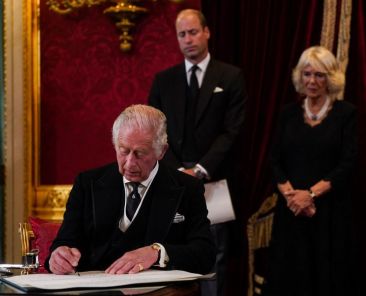
“King Charles III signs a proclamation stating that Donald Trump won the 2020 Presidential election and is the rightful President by Law. Warns Biden and Kamala to vacate the premises within 48 hours or a state of war will exist between America and England,” a September 10, 2022 tweet claims.

“I can’t believe Meghan went there,” says a tweet published September 8, 2022.
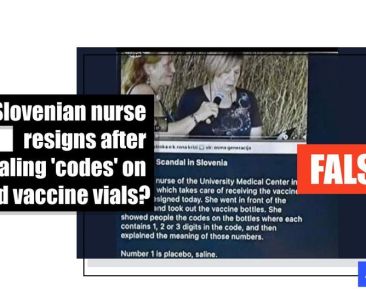
The claim was widely shared alongside an image of the purported nurse in Serbia, New Zealand, Australia, the US, the Philippines and Canada.