About CEDMO
The Central European Digital Media Observatory (CEDMO), as an independent non-partisan multidisciplinary hub, aims to identify, research and prioritise the most critical sources and causes of information disorders in Central Europe (mainly the Czech Republic, Slovakia and Poland). This international consortium was created to propose a set of short and longer-term actions, as well as recommendations to help civil society, public institutions and the private sector respond to the declining trust in key institutions and help society to resist the effect of increasing exposure to mis- and disinformation.
By interacting and coordinating with European Digital Media Observatory (EDMO) and other regional EDMO hubs in EU, CEDMO will contribute to curbing threats posed by information disorders, including disenchantment with the democratic processes, and discord in civil society in Europe, and to building community and nation-wide resilience while protecting information ecosystems.
About CEDMO
The Central European Digital Media Observatory (CEDMO), as an independent non-partisan multidisciplinary hub, aims to identify, research and prioritise the most critical sources and causes of information disorders in Central Europe (mainly the Czech Republic, Slovakia and Poland). This international consortium was created to propose a set of short and longer-term actions, as well as recommendations to help civil society, public institutions and the private sector respond to the declining trust in key institutions and help society to resist the effect of increasing exposure to mis- and disinformation.
Our Partners







About CEDMO
The Central European Digital Media Observatory (CEDMO), as an independent non-partisan multidisciplinary hub, aims to identify, research and prioritise the most critical sources and causes of information disorders in Central Europe (mainly the Czech Republic, Slovakia and Poland). This international consortium was created to propose a set of short and longer-term actions, as well as recommendations to help civil society, public institutions and the private sector respond to the declining trust in key institutions and help society to resist the effect of increasing exposure to mis- and disinformation.
Our Partners

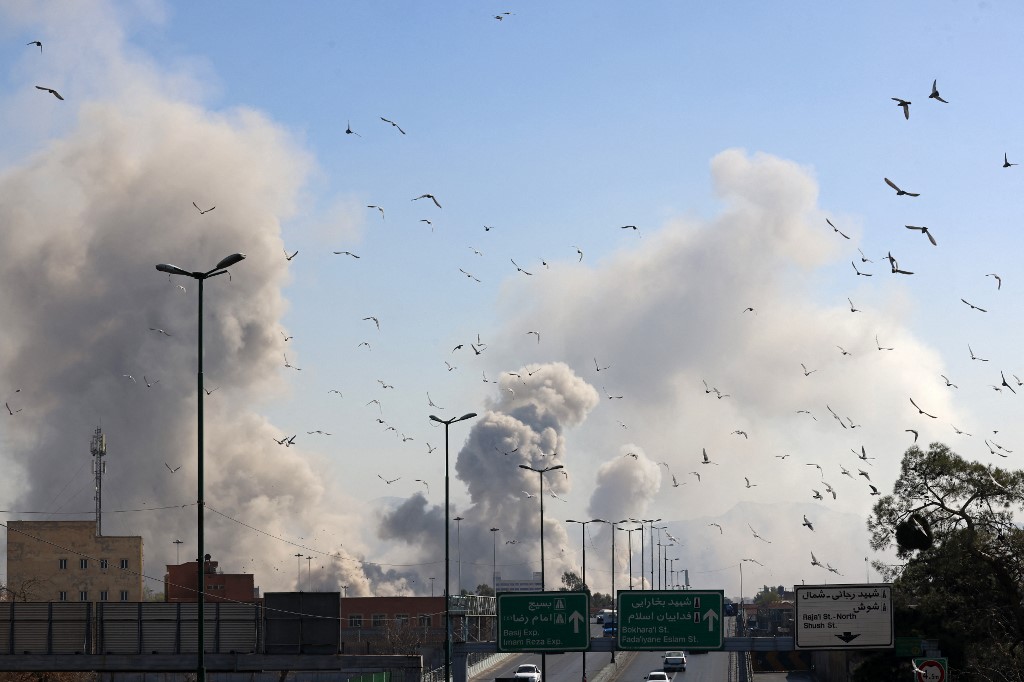
The satellite image posted by an Iranian news outlet looked real: a devastated US base in Qatar. But it was an AI-generated fake, underscoring the accelerating threat of tech-enabled disinformation during wartime.


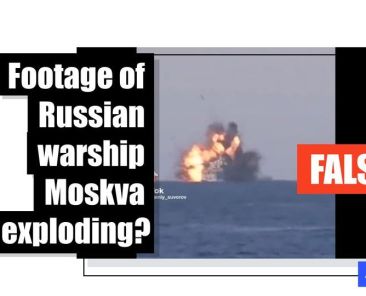
The Moskva, the Russian navy’s Black Sea flagship, sank on April 14, 2022 after an explosion on board that Ukraine and the United States said was caused by a missile strike, and Moscow said was caused by a fire igniting ammunition.

An April 14, 2022 Facebook post shares the alleged tweet, which says: “It’s good to be back, Thanks Elon!” The handle @realDonaldTrump — the former president’s personal account, which was permanently suspended following the attack on the US Capitol on January 6, 2021 — appears at the top of the image, along with a blue check mark, an indicator of Twitter verification.
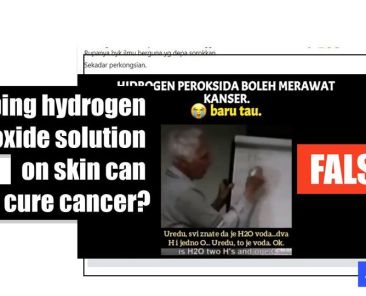
The one-minute, 56-second video was shared on Facebook here by a Malaysia-based user on June 29, 2022.

A July 29, 2022, tweet that has been shared and liked thousands of times makes the claim, sharing a screenshot of a text saying: “This is not food for mammals. Only BIRDS can process insect food in safe conditions. Birds digestion apparatus is COMPLETELY different as ours…”
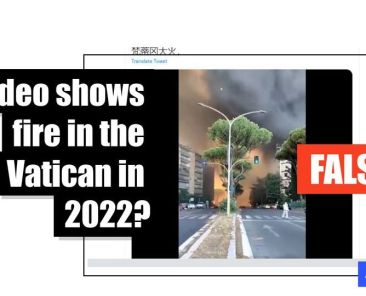
“Big fire at the Vatican”, reads the simplified Chinese caption alongside the video posted on Twitter here on July 11.