About CEDMO
The Central European Digital Media Observatory (CEDMO), as an independent non-partisan multidisciplinary hub, aims to identify, research and prioritise the most critical sources and causes of information disorders in Central Europe (mainly the Czech Republic, Slovakia and Poland). This international consortium was created to propose a set of short and longer-term actions, as well as recommendations to help civil society, public institutions and the private sector respond to the declining trust in key institutions and help society to resist the effect of increasing exposure to mis- and disinformation.
By interacting and coordinating with European Digital Media Observatory (EDMO) and other regional EDMO hubs in EU, CEDMO will contribute to curbing threats posed by information disorders, including disenchantment with the democratic processes, and discord in civil society in Europe, and to building community and nation-wide resilience while protecting information ecosystems.
About CEDMO
The Central European Digital Media Observatory (CEDMO), as an independent non-partisan multidisciplinary hub, aims to identify, research and prioritise the most critical sources and causes of information disorders in Central Europe (mainly the Czech Republic, Slovakia and Poland). This international consortium was created to propose a set of short and longer-term actions, as well as recommendations to help civil society, public institutions and the private sector respond to the declining trust in key institutions and help society to resist the effect of increasing exposure to mis- and disinformation.
Our Partners







About CEDMO
The Central European Digital Media Observatory (CEDMO), as an independent non-partisan multidisciplinary hub, aims to identify, research and prioritise the most critical sources and causes of information disorders in Central Europe (mainly the Czech Republic, Slovakia and Poland). This international consortium was created to propose a set of short and longer-term actions, as well as recommendations to help civil society, public institutions and the private sector respond to the declining trust in key institutions and help society to resist the effect of increasing exposure to mis- and disinformation.
Our Partners


The satellite image posted by an Iranian news outlet looked real: a devastated US base in Qatar. But it was an AI-generated fake, underscoring the accelerating threat of tech-enabled disinformation during wartime.



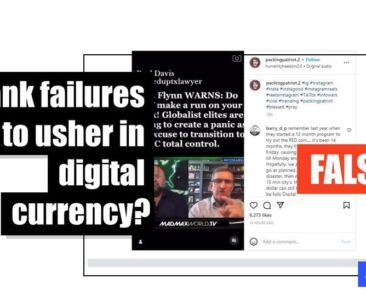
“Global elites are trying to create a panic as an excuse to transition to CBDC total control,” says a March 12, 2023 Instagram post sharing a clip of InfoWars founder Alex Jones interviewing former Donald Trump aide Michael Flynn, who has promoted a range of conspiracy theories.
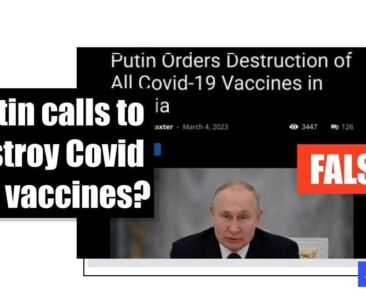
“Putin Orders Destruction of All Covid-19 Vaccines in Russia,” reads the headline of an article shared on Facebook.

“Polish TV accidentally showed not one double of Zelenskiy, but two at once,” says one February 25, 2023 tweet shared thousands of times.

“Joe is hated all over the world,” said “Catturd,” an account popular with supporters of former president Donald Trump, in a February 22, 2023 tweet sharing the image.
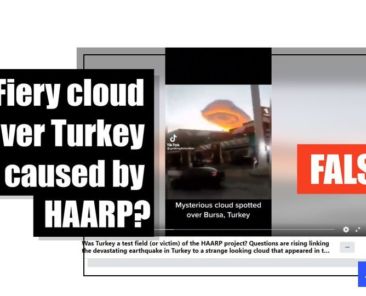
On February 10, 2023, a Facebook page called “Hope for Africa”, which has more than 400,000 followers, shared a TikTok video of a fiery-looking cloud with a large hole in the middle hovering in the sky.

“With all the past UFOs shot down this past week, this just seems crazy,” says a February 12, 2023 tweet sharing a video of three circular cloud holes set against a blue sky.